

¡ Viva la Vida ! center
To offer children with cancer natural regeneration of health with all the Respect and Love they deserve.

Natural approaches to cancer by scientists
When scientists validate ancient traditional medicines
Rebalancing the body rather than fighting disease: what ancient wisdom knew and science is rediscovering
I was born in Paris on July 14. This is France’s national day, commemorating the French Revolution and the Declaration of the Rights of Man. This symbolic date has always made me particularly attached to human rights and the fundamental value of freedom. A naturalized Bolivian citizen for several years, I am the mother of eleven children born on the four continents where we have lived on our magnificent planet. This life experience has allowed me to see from the inside that the relationship to health and what are commonly referred to as “health systems” can vary considerably from one country to another.
In the previous nine articles in this series, we explored the work of remarkable scientists:
• Otto Warburg and his approach to metabolism at the cellular level,
• Louis-Claude Vincent and his bioelectronics,
• Jean-Pierre Willem and his study of cancer-free peoples,
• André Gernez and his advice on active cancer prevention,
• Geerd Hamer and his study of the links between biological conflicts and the onset of cancer,
• Laurent Schwartz and the metabolic restoration of cancer cells,
• Nicholas Gonzalez and his nutritional protocols,
• Yoshinori Ohsumi and his in-depth analysis of autophagy processes,
• Frédéric Thomas and his discovery of what he called the abominable secret of cancer
All of them have proposed natural approaches to cancer, based on an understanding of the biological terrain and the body’s intelligence.
This naturally raises the question: are these modern discoveries really new? Or are they simply rediscovering what traditional medicines have known intuitively and practiced for centuries? This article explores this fascinating convergence between ancient wisdom and modern scientific confirmation. It also reveals how, in the 20th century, a radical break occurred in a minority of countries, establishing a pharmaceutical monopoly that contrasts sharply with the therapeutic plurality experienced by more than four-fifths of humanity.
To understand the persecution of those who treat cancer differently, the subject of the next article in this section on natural approaches to cancer by scientists, we must first understand how, throughout history, this paradigm shift transformed medicine from a balance-based approach to a combat-based approach, a new concept that has become the basis of teaching in conventional medical schools.
1. Traditional medecines dating back thousands of years: the balance of the body as a universal principle of healing
The universal fundamental principle
When we look at the traditional medicines practiced on every continent for thousands of years, a fascinating observation emerges: they all share the same fundamental vision. Whether in China, India, Russia, Africa, or the Andes, the principle remains the same, even if each culture approaches it from a different angle.
Health is understood as a state of balance and harmony. Illness represents an imbalance, a disruption of this natural harmony. The body is endowed with innate intelligence and an intrinsic self-healing power. The role of the therapist is therefore not to intervene aggressively to “fight” the disease, but to restore the conditions of balance so that the body can naturally exercise its regenerative abilities.
The body is seen as a garden to be cultivated, not a machine to be repaired. This fundamental metaphor changes everything: we do not wage war on our own garden, we take care of it, we nourish it, we eliminate what poisons it, we create the conditions conducive to its flourishing.
This remarkable convergence is not the result of chance. It stems from millennia of empirical observation of human nature, patient experimentation with plants and practices, and the transmission of refined knowledge from generation to generation. Wherever humans have carefully observed the body and its healing processes, they have reached the same essential conclusions.
Traditional Chinese medicine: Qi and Yin-Yang balance
Traditional Chinese Medicine has over 5,000 years of documented history. Its central concept is based on Qi, the vital energy that flows through the body via channels called meridians. When Qi flows freely and the two complementary forces of Yin and Yang remain in dynamic balance, health is naturally maintained.
Yin represents the cold, wet, passive, internal aspect. Yang embodies the hot, dry, active, external aspect. These two forces do not oppose each other in conflict, but complement each other in a perpetual dance of balance. Illness occurs when this balance is disrupted or when Qi encounters blockages in its circulation.
The therapeutic tools of this medicine all aim to restore circulation and balance: acupuncture to unblock the meridians, herbal medicine to rebalance energies, dietetics to nourish the body adequately, and Qi Gong to cultivate and harmonize vital energy. Diagnosis is made by observing the pulse, tongue, complexion, and voice, taking a holistic approach to the person.
This medicine has never been abandoned. It is still taught in Chinese universities and practiced in hospitals alongside Western medicine. More than 1.4 billion people use it daily, not out of blind tradition, but because it works and meets their health needs.
Laurent Schwartz, the French scientist we featured in a previous article, has worked on lipoic acid to restore cellular metabolism in cancer. This approach is perfectly in line with the Chinese concept of restoring energy circulation: it is not a question of attacking, but of reestablishing harmonious functioning.
Indian Ayurveda: doshas and digestive fire
Ayurveda also has between 3,000 and 5,000 years of history. Its name means “science of life” in Sanskrit. This medicine is based on the concept of the three doshas: Vata (air), Pitta (fire), and Kapha (earth). Each person is born with a unique constitution, called prakriti, which determines their natural balance between these three forces.
Health results from maintaining the doshas in their constitutional balance specific to each individual. Illness occurs when these forces become unbalanced. The concept of Agni, the digestive fire, plays a central role: it is what allows food to be properly transformed into assimilable nutrients. When Agni is functioning well, digestion is complete. Otherwise, toxic residues called Ama accumulate in the body and create a breeding ground for disease.
Ayurvedic therapeutic tools include an extremely rich plant-based pharmacopoeia, the use of spices with medicinal properties, personalized nutrition based on constitution, specific massages, yoga, pranayama (breathing techniques), and meditation. Panchakarma is a deep detoxification treatment that eliminates accumulated Ama.
India has created an entire ministry dedicated to traditional medicine: the AYUSH Ministry (Ayurveda, Yoga, Unani, Siddha, Homeopathy). More than 1.4 billion people benefit from these health approaches, which are officially recognized by the Indian government.
Max Gerson, the German doctor we mentioned in the section on naturopathic thinkers and practitioners, developed a nutritional therapy focused on deep liver detoxification. This approach is directly in line with the Ayurvedic concept of eliminating Ama, the toxins that clog the body.
Medicines of the Muslim world: Unani and Tibb al-Nabawi
The Muslim world, which represents approximately 1.8 billion people spread across North Africa, the Middle East, Central Asia, and Southeast Asia, has preserved and developed its own medical traditions dating back thousands of years.
Unani medicine (or Yunâni, which means “Greek” in Arabic) is one of the oldest medical traditions still practiced today. It developed from the teachings of Hippocrates and Galen, enriched by the contributions of great Muslim physicians such as Avicenna (Ibn Sina), Rhazes (Al-Razi), and Averroes (Ibn Rushd). This medicine is based on the theory of the four humors and four temperaments, seeking to maintain balance between these elements to preserve health.
Unani medicine is officially recognized and practiced in India (where it is part of the AYUSH Ministry), Pakistan, Bangladesh, Iran, Iraq, Afghanistan, and several Central Asian countries. University faculties train Unani practitioners, and dedicated hospitals treat patients according to these principles. UNESCO inscribed Iranian Unani medicine on the Intangible Cultural Heritage of Humanity list in 2013, recognizing its value and contribution to global health.
Tibb al-Nabawi, or the medicine of the Prophet, is another important tradition in the Muslim world. Based on the health recommendations found in the hadiths, it promotes the use of honey as a universal remedy, black seed (habba sawda), cupping (hijama), and numerous medicinal plants. This approach is part of a holistic vision in which physical, spiritual, and social well-being are closely linked.
These medical traditions share the same fundamental principles as all other ancient medicines: the importance of the terrain, the balance of humors, prevention through healthy living, the use of medicinal plants, and trust in the body’s self-healing abilities. The Muslim religion itself deeply values knowledge and the pursuit of health, considering that “the ink of the scholar is more sacred than the blood of the martyr,” according to a famous hadith.
Weston A. Price and other researchers have also documented how traditional Muslim populations, living according to their ancestral ways of life, enjoyed remarkable health and a very low incidence of chronic disease.
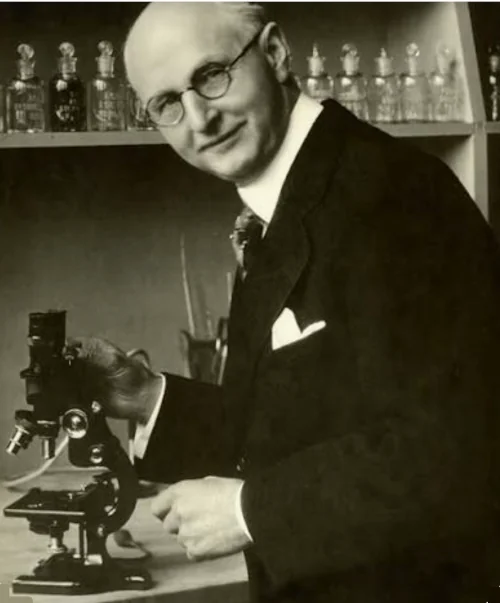
Traditional African medicine: plants and community
Africa has a huge diversity of traditional medicines depending on the region: West, Central, East, and Southern Africa. Nevertheless, common principles can be found in all these approaches.
African traditional practitioners have in-depth knowledge of local medicinal plants. In 1994, during a stay in Burkina Faso, a villager said something to me that made a big impression: “In any given area, if a disease appears, there is always a plant nearby that God created as a remedy to cure that disease.” This wisdom reveals a remarkable vision of harmony between humans and their natural environment.
The African approach is deeply holistic. It considers the individual as a whole: body, mind, community, ancestors. As a result, it believes that illness can have physical, emotional, relational, or spiritual causes. The healer diagnoses through attentive listening, careful observation, and sometimes also through dreams. Treatments combine herbal decoctions, poultices, scarification, and community healing rituals that reintegrate the sick person into their social fabric.
At the age of 23, I was particularly struck by the effectiveness of this medicine. In 1994, in Burkina Faso, I contracted malaria. The hospital gave me a quinine injection. Two weeks later, the malaria returned. I went back to the hospital, but they sent me home, explaining that quinine injections could not be given too close together. While traveling in the west of the country, I arrived in tears at the home of some Burkinabe friends, with the fever and pains characteristic of malaria. These friends went to a local healer with Christophe, my husband. They brought me back some tree bark and told me to shower with the decoction. Immediately after this shower, I felt an unexpected relaxation and relief in my body, which allowed me to sleep peacefully. When I woke up, I asked to be able to shower with this miracle remedy again. I continued this simple, harmless, and incredibly effective treatment for a few days, which completely cured me. This experience taught me that medicinal plants can have greater power than the chemical drugs used in conventional medicine.
Today, 80% of the African population uses traditional medicine as their first line of treatment. The World Health Organization officially recognizes its role through its Traditional Medicine Strategy 2014-2023.
Mirko Beljanski, the researcher we mentioned in the article on The persecution of those who treat cancer differently, worked on plant extracts to help cancer patients. His research is in line with the ancestral African pharmacopoeia based on local plants.
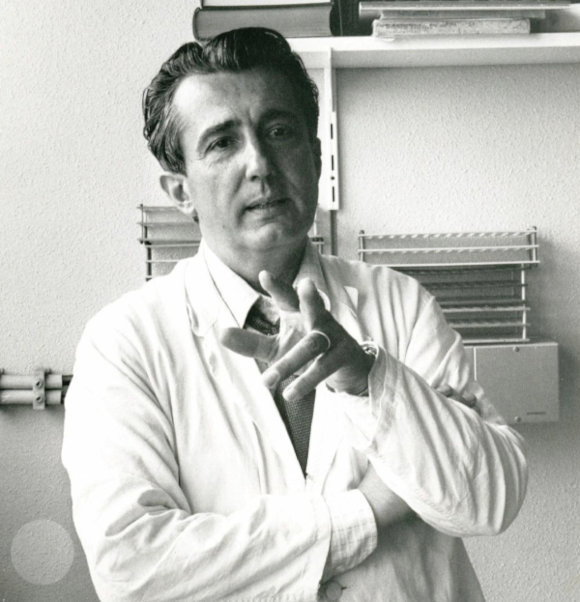
Traditional Russian medicine: the body regenerates itself under the right conditions
The tradition of Russian sanatoriums, developed in the 19th century and continued throughout the 20th century, is based on a profound understanding: the body has extraordinary regenerative abilities, provided it is given the right conditions.
These conditions include spa treatments, hydrotherapy in all its forms, therapeutic fasting (an Orthodox tradition later adopted by Soviet medicine), Russian baths or banya for eliminating toxins through heat and sweating, intestinal enemas, and traditional herbal medicine using birch bark, berries, and forest plants.
The fundamental principle remains the same: the body knows how to heal itself. All it needs is rest, warmth, pure water, clean air, the right plants, and fasting to activate autophagy. This approach was integrated into the Soviet and then Russian healthcare system and continues to be widely practiced today.
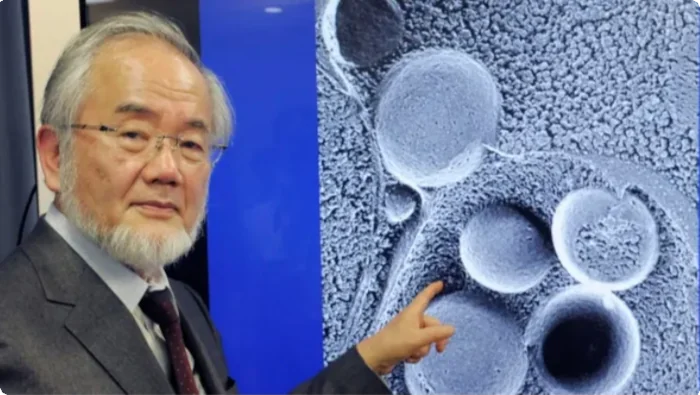
Yoshinori Ohsumi, winner of the 2016 Nobel Prize in Medicine for his discovery of the mechanism of autophagy, scientifically confirmed what Russians have been practicing empirically for centuries: fasting activates a cellular self-cleaning process that eliminates defective components and then allows tissue regeneration.
Indigenous knowledge in latin America: Pachamama and balance
Andean medicine, practiced in Bolivia, Peru, Ecuador, and Colombia, revolves around the concept of Pachamama, Mother Earth. Everything is interconnected in this worldview. Human health remains intimately linked to balance with nature.
Sacred and medicinal plants occupy a central place: coca for altitude and energy, quinoa for nutrition, maca for vitality, muña for digestion, matico for wounds and infections, vira vira for respiratory ailments, and hundreds of other plants with specific properties. Shamans, curanderos, and kallawaya are the guardians of empirical knowledge passed down orally from generation to generation, combining energetic and spiritual approaches with concrete physical treatments.
Weston A. Price, the American dentist who studied ancestral lifestyles in the 1930s, documented how traditional Andean lifestyles preserved remarkable vitality. His work echoes what I myself have observed during all my years in Bolivia.
2. When modern scientists rediscover ancient wisdom
In the 20th century, rigorous researchers undertook to scientifically study the mechanisms of cancer and the cure for this frightening and enigmatic disease. Armed with microscopes, measuring tools, and rigorous experimental methods, they made remarkable discoveries. What they found converges in a fascinating way with what traditional medicines have been teaching for millennia: the concept of terrain, balance, detoxification, the importance of a healthy diet, the benefits of fasting, and the intrinsic link between body and mind. Here we will see how these pioneers rediscovered, each in their own way, the universal fundamental principles of natural health.
Claude Bernard and biological terrain
Claude Bernard, a 19th-century French physiologist, formulated a principle that perfectly sums up the vision of traditional medicine: “The microbe is nothing, the terrain is everything.” Terrain refers to the overall state of the body: its immunity, metabolism, and internal balance. A healthy terrain does not develop disease because the body has the resources it needs to maintain homeostasis.
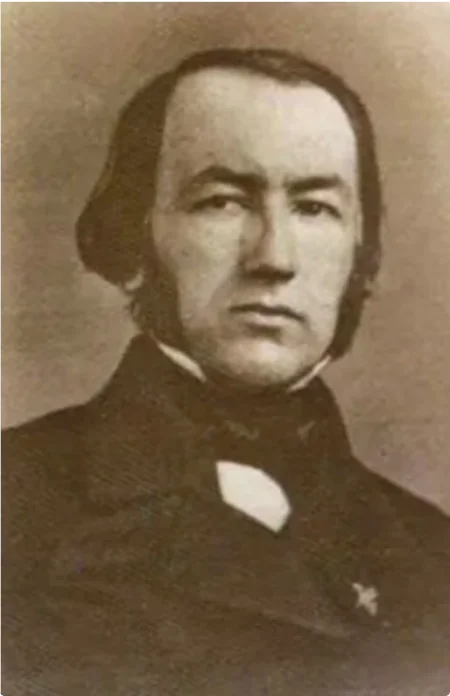
This vision is consistent with all traditional medicines, which for thousands of years have emphasized the importance of cultivating a terrain conducive to health rather than fighting symptoms. Thus, Bernard, a Western scientist, simply rediscovered what the whole world already knew from experience.
In the articles The Concept of Biological Terrain According to Claude Bernard and The Notion of Terrain in Natural Health, we develop in more detail this notion of terrain, which is the basis of naturopathy.
Otto Warburg and cellular metabolism
Otto Warburg received the Nobel Prize in Medicine in 1931 for his fundamental discovery: cancer cells have a disturbed metabolism. Instead of normal aerobic respiration, they undergo anaerobic fermentation, even in the presence of oxygen. His conclusion was clear: restoring cellular metabolism is the key to eliminating cancer.
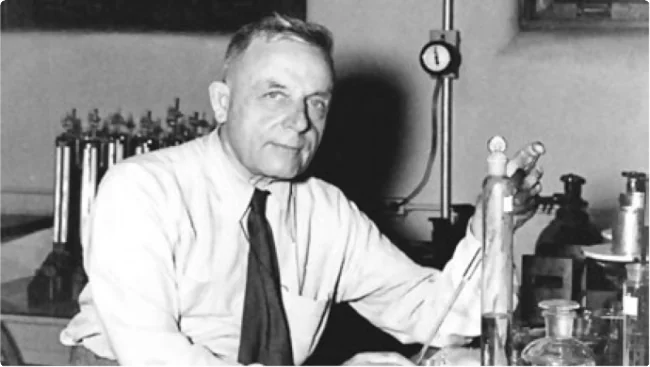
This vision is directly in line with Ayurveda and its concept of Agni, the metabolic fire that must function properly to maintain health. It is also in line with Traditional Chinese Medicine and Qi, the energy that must flow freely. It is in line with all traditions that speak of balance and restoration of natural functions.
Science thus confirms what millennia of intuition had understood: cancer is not an external enemy to be fought, but an internal imbalance that must be corrected.
Louis-Claude Vincent and bioelectronics
Louis-Claude Vincent, a 20th-century French engineer, developed bioelectronics: the measurement of the bioelectrical parameters of the terrain (pH, rH2, resistivity). His work showed that a balanced terrain corresponds to health, while an unbalanced terrain promotes chronic diseases and cancer.
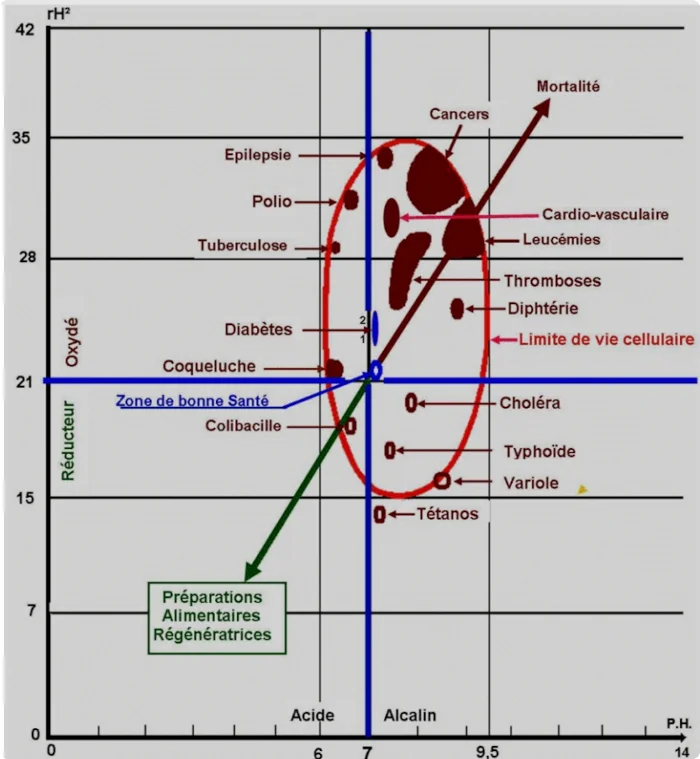
This scientific approach provides precise figures for what all traditional medicines have always observed qualitatively: the importance of balance. Vincent simply created measuring tools to quantify what traditional practitioners perceived through observation, the patient’s pulse, tongue, and energy.
Max Gerson and detoxification
Max Gerson, a 20th-century German physician, developed a nutritional therapy focused on deep liver detoxification. His protocol includes large quantities of fresh vegetable juices and coffee enemas to stimulate the elimination of toxins by the liver and intestines.
This approach is directly related to the Ayurvedic concept of Ama, toxins that must be eliminated through Panchakarma. This logic is also found in Russian detoxification treatments practiced in sanatoriums, as well as in the purifying plants used by African traditional healers to cleanse the body.
Modern science validates what traditions have always practiced: the elimination of toxic waste is a fundamental condition for health and healing. This topic is discussed in detail in the article Toxin elimination: a vital process.
André Gernez and active prevention
André Gernez, a 20th-century French physician, developed a theory that cancer forms from micro-tumors. His proposal: active prevention through simple methods such as short fasting, proper nutrition, and a rigorous lifestyle.
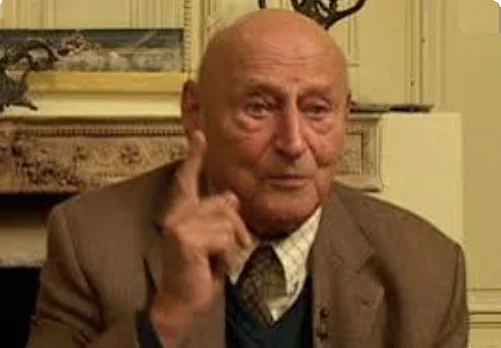
This vision is in line with all traditional medicines, which have always focused on prevention rather than emergency treatment. Healthy living, nutrition, respect for circadian rhythms, physical activity, and emotional management: these elements have formed the basis of all health traditions for thousands of years.
Fasting, in particular, occupies a central place in many spiritual and medical traditions. Ramadan, practiced annually by approximately 1.8 billion Muslims worldwide, is one of humanity’s oldest and most widespread practices of intermittent fasting. For a full lunar month, believers abstain from eating and drinking from sunrise to sunset. This ancient practice, which predates the discoveries of Gernez and Ohsumi by several centuries, demonstrates a deep intuitive understanding of the benefits of fasting for health and regeneration.
Science is discovering the importance of prevention and fasting… practices that have been empirically used for millennia by a large part of humanity.
Geerd Hamer and biological conflicts
Geerd Hamer, a 20th-century German physician, developed New Germanic Medicine, showing the link between unresolved emotional shocks and the onset of cancer. According to his work, each type of cancer corresponds to a specific biological conflict experienced intensely and in isolation.
This psychosomatic dimension is consistent with all traditional medicines, which have always considered the emotional and spiritual aspects of illness. Ayurveda takes emotions into account in the imbalance of the doshas. Traditional Chinese Medicine recognizes the impact of emotions on the circulation of Qi. African medicines often identify relational or emotional causes for illnesses.
Science is finally recognizing the crucial link between body and mind… something that has been taught everywhere since time immemorial.
Yoshinori Ohsumi and autophagy
Yoshinori Ohsumi received the Nobel Prize in Medicine in 2016 for his discovery of the mechanism of autophagy: the process of cellular self-cleaning through which cells recycle their defective components. Autophagy is particularly active during fasting.
This scientific discovery validates therapeutic fasting, which has been practiced for centuries in Russia, in Orthodox traditions, in Islam with Ramadan, in Hinduism, and in Buddhism. All these traditions had empirically understood that fasting allowed the body to cleanse and regenerate itself.
Science has finally proven what religions and traditions knew through observation and experience.
Synthesis of convergence
All these scientists, with their microscopes, precise measurements, publications, and Nobel Prizes, have rediscovered what humanity already knew through thousands of years of empirical observation. Terrain, balance, detoxification, natural nutrition, fasting, and the emotional dimension: all these elements are found in ancestral traditions.
This is no coincidence. It is scientific confirmation of wisdom proven by thousands of years of practice. These scientists are not “far-fetched alternative practitioners” as some would have us believe. They are rigorous researchers who had the courage to look beyond the dominant paradigm of their time.
And what they found converges remarkably with traditions from around the world. This convergence cannot be the result of chance: it reveals fundamental laws of life, which traditions had discovered through experience and which science confirms through experimentation.
3. The rupture of the 20th century: when fighting replaced healing
The end of the 19th century and the beginning of the 20th century were marked by considerable upheaval. Two world wars (1914-1918, 1939-1945) devastated Europe. The industrial revolution led to massive urbanization. Poor urban hygiene encouraged the spread of infectious diseases.
Important discoveries emerged in this context: anesthesia, antisepsis, and emergency surgery. Faced with epidemics and the trauma of war, there was a legitimate need for quick and effective solutions. The emergence of modern chemistry and pharmacology offered new perspectives.
This particular context created fertile ground for aggressive, interventionist medicine focused on urgency and rapid action. This approach was not illegitimate in itself: it responded to real needs in specific situations. The problem arose when this emergency model was generalized to all health situations, including chronic diseases.
Pasteur vs. Béchamp: choosing a paradigm
At the end of the 19th century, an intense scientific debate took place between Louis Pasteur and Antoine Béchamp. Pasteur defended the theory of germs as the sole cause of disease. Béchamp insisted on the importance of the biological terrain as a determining factor.
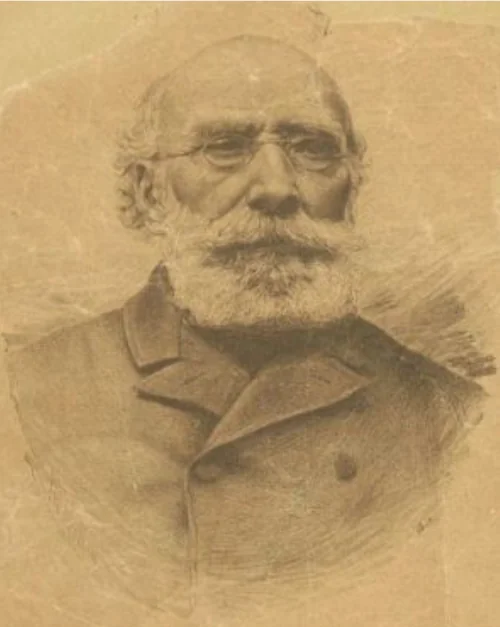
In reality, both were partially right: germs play a role, but the terrain determines whether or not these germs will cause disease. A healthy terrain resists infection; a weakened terrain succumbs to it. Pasteur himself is said to have acknowledged on his deathbed: “Béchamp was right, the terrain is everything.”
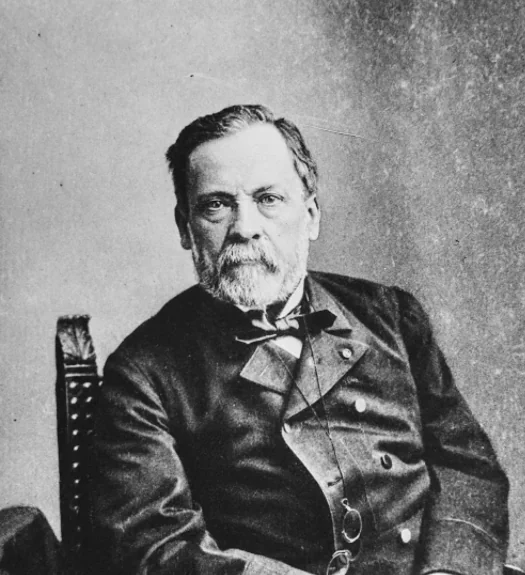
But Pasteur “won” the debate, not on scientific grounds, but on media, political, and above all financial grounds. Why? Because his theory allowed for industrial applications: vaccines, serums, patentable drugs. Béchamp, on the other hand, had no marketable products to offer. Improving the terrain requires a healthy lifestyle, proper nutrition, rest, and exercise: elements that cannot be patented or sold.
Pasteur’s victory steered medicine towards a new vision: disease as an external enemy to be eliminated. Béchamp was erased from official history, and with him, the millennial understanding of the terrain.
The Flexner report (1910): standardization and exclusion
In 1910, Abraham Flexner, an educator who was not a physician, wrote a report on medical education in the United States and Canada. This report was commissioned by the Carnegie Foundation, largely funded by John D. Rockefeller, the oil magnate who was investing heavily in petrochemicals and the nascent pharmaceutical industry.
The stated goal of the report was to improve the quality of medical education. The actual result was the mass closure of “non-compliant” medical schools. Homeopathic schools, naturopathic colleges, and eclectic institutes using plants were closed or absorbed. Only institutions teaching “scientific” medicine based on chemical drugs survived.
Rockefeller provided massive funding to schools that conformed to this new model. The American Medical Association (AMA) was created as the guardian of this monopoly. Medical education was standardized. This American model was then exported to Europe and other countries.
Natural approaches became “unscientific” by institutional definition. This was not a judgment on quality or effectiveness, but an economic and political choice. Between 1910 and 1935, more than half of American medical schools closed or merged. Of the 160 schools in 1904, only 66 remained in 1935.
This process created standardization, which certainly had advantages (uniform training, verifiable competency criteria), but at the cost of systematically excluding all approaches not based on patentable chemical drugs.
The vocabulary of war: a radical change
With the two world wars, medical vocabulary underwent a radical transformation. Military vocabulary was imported into medicine: fighting disease, battling cancer, destroying microbes, eliminating cells, killing bacteria, therapeutic weapons. Chemotherapy became a “chemical weapon,” radiotherapy a “bombardment.” Antibiotics literally mean “against life.”
Illness has become a terrible and feared enemy. The body has been transformed into a battlefield. The doctor has become a warrior, and so has the patient. Children with cancer are often referred to as “brave little warriors.”
This view is completely absent from traditional medicines that date back thousands of years. No traditional medicine talks about “war.” They all talk about harmony, balance, restoration, and regeneration. The vocabulary reveals the underlying philosophy.
This warlike perspective is a philosophical aberration: waging war on oneself! Cancer is not an external invader. It is our own cells that become unbalanced as they try to survive in an environment that has become highly toxic and hostile to life. Waging war on them is waging war on oneself.
Effective in emergencies, limited in chronic conditions
Let us be fair and balanced in our analysis. This interventional medicine has undeniably saved lives. Emergency surgery can treat accidents, acute appendicitis, and emergency C-sections. Antibiotics have saved many people with serious acute infections such as pneumonia or septicemia. Anesthesia has made complex surgical operations possible. No one denies these important advances.
But this paradigm, which is effective for emergencies, is proving unsuitable for chronic diseases. Cancer, diabetes, cardiovascular disease, and autoimmune diseases result from profound metabolic imbalances, an accumulation of toxic factors, and an inadequate lifestyle. Waging war on an imbalance makes no sense. It would be much more logical to seek to restore balance, especially in this day and age when the environment and lifestyle are increasingly carcinogenic.
This is exactly what traditional medicine has always done. And it is what scientists such as Warburg, Gerson, Gernez, Vincent, and many others have rediscovered: for chronic diseases, we must cultivate the terrain, not bombard the symptoms.
4. Finance and power: why the monopoly persists
One of the most lucrative industries
The global pharmaceutical market represents approximately $1.9 trillion in annual revenue (2024 data). The profit margins in this industry are among the highest of any economic sector. Pharmaceutical stocks are safe havens for investors.
This is not a moral judgment, but a simple economic observation. A for-profit industry does not necessarily have the same priorities as a public health system. We all know very well that the goal of a commercial enterprise is to maximize profits for its shareholders, while the purpose of a health system should be to maximize the health of the population, not to feed one of the most lucrative industries on the planet.
Dr. Richard J. Roberts, winner of the 1993 Nobel Prize in Medicine, stated this bluntly on the day he received his award: “The pharmaceutical industry serves capitalist markets. When we think only of economic profit, we stop caring about serving human beings. It has been proven that some researchers dependent on private funding have discovered highly effective medicines that would have completely stopped common diseases. However, this would not have been profitable, because pharmaceutical companies are fundamentally not interested in curing people, but rather in extracting money from them. This is why research is diverted towards the discovery of drugs that do not cure completely, but maintain the disease, while giving the patient the illusion of improvement that disappears as soon as they stop taking the drug. The aim is not to cure, but to maintain the pain as incurable.”
What cannot be patented is structurally underfunded
A synthetic chemical drug can be patented. The patent confers a temporary monopoly of about 20 years, allowing high prices to be set and guaranteeing a huge return on investment. This prospect of considerable profits creates a massive incentive to invest in research into new molecules.
On the other hand, a plant cannot be patented. It is given to us freely by nature. Furthermore, exposure to sunlight, getting enough sleep, eating healthily, exercising, and fasting are lifestyle practices that cannot be patented either and therefore do not generate any financial profit for the pharmaceutical industry.
This explains why very little investment is made in rigorous scientific study of these approaches. However, when independent studies do exist, the results are often convincing. Valter Longo, for example, has achieved impressive results in treating cancer through intermittent fasting. But these approaches will never be validated to the same extent as drugs.
Why? Because they cannot finance the necessary Phase III studies. A Phase III clinical trial costs hundreds of millions of dollars. Only the pharmaceutical industry has the resources to finance such studies. And it only finances what will bring it financial returns.
This is a major structural bias in modern medical research. Anything that is effective but not patentable remains under-studied, and therefore under-validated and marginalized, regardless of its actual effectiveness. However, in countries where traditional medicines have remained alive, people know the effectiveness of ancient medicines and do not need double-blind studies to use them when they are sick.
Documented conflicts of interest
Most medical research is funded by the pharmaceutical industry. Clinical studies are paid for by those who market the products being tested. The phenomenon of “ghost writing” exists: scientific articles signed by doctors but actually written by industry employees.
Financial links exist between health agency experts and pharmaceutical companies. This fact has been documented by parliamentary inquiries and journalistic investigations. The phenomenon of “revolving doors” is well known: executives move back and forth between industry and regulatory agencies.
Continuing medical education is largely funded by the pharmaceutical industry. This situation inevitably influences official recommendations.
These conflicts of interest are not “conspiracy theories,” but verifiable and documented facts. Investigations by the French Senate, the European Parliament, and the US Congress have highlighted these issues. Books by whistleblowing doctors such as Philippe Even and Irène Frachon in France have denounced them.
The question is not whether these conflicts exist—they are a proven fact—but how they influence public health decisions.
Regulatory capture
The economic concept of “regulatory capture” describes a situation where an industry influences the bodies that are supposed to regulate it. Do medical associations really protect patients, or do they protect the monopoly of the profession and the dominant model?
Do laws on “illegal practice of medicine” protect public health, or do they create a captive market for the pharmaceutical industry? In 1970, during a public conference in Paris, Pierre-Valentin Marchesseau, founder of French vitalist naturopathy, vigorously denounced the law on the illegal practice of medicine (Article 1512 of the Penal Code, dating from the Occupation). He described this legislation as a “medical dictatorship” that restricted natural health practices, calling for its repeal to applause from the audience. This speech, immortalized in black-and-white video, bears witness to the historic struggle for therapeutic freedom in France.
In countries with a monopoly, only graduates of the standardized system can practice, and only if they remain within the confines of that system. Otherwise, they run the risk of being excluded and banned from practicing, as happened to Hamer, Schaller, Willem, and so many others whom we will discuss in our next article on the persecution of those who treat cancer naturally.
Even when other practitioners achieve convincing results, even when patients freely choose them and are satisfied with them, the system excludes them in the name of “protecting the public.” A legitimate question arises: who is really protected by these laws? The public health of the population or the financial health of the pharmaceutical industry?
5. For more than four-fifths of humanity, plurality remains the norm
When we talk about China, India, Russia, or Bolivia preserving therapeutic plurality, a common Western misconception might suggest that these countries are “behind the times,” unable to train doctors at university, or too “traditionalist” to adopt modern medicine. The opposite is true.
These countries are not behind the times; they have made an informed choice
China is a leading scientific and technological power. It leads the world in many areas of fundamental research, dominates artificial intelligence, and has sent space missions to the far side of the Moon. Its medical universities are among the best in the world. Yet China has made a deliberate choice to integrate Traditional Chinese Medicine into its official healthcare system. This is not backwardness, it is wisdom.
India excels in mathematics, computer science, and engineering. The world’s largest technology companies have Indian leaders. India trains millions of students in its conventional medical universities. Yet it has created an entire ministry dedicated to traditional medicines (AYUSH: Ayurveda Yoga Unani Siddha Homeopathy). This is not an inability, it is an informed choice.
Russia has been a superpower in space, nuclear technology, and mathematics. It has produced some of the greatest scientists of the 20th century. Yet it has integrated sanatoriums, therapeutic fasting, and herbal medicine into its healthcare system. This is not ignorance, it is pragmatic intelligence.
Bolivia, like every other country in the world, trains doctors in its universities. Yet its Constitution officially recognizes traditional medicines and allows them to be practiced freely. This is not laxity, it is respect for individual freedom and ancestral knowledge. It is also a form of economic pragmatism, because in a country where health insurance is not systematic, the treatments offered by hospitals are often expensive, and people with limited means can turn to traditional medicine, which is significantly less costly.
These countries have understood something essential: it is possible to have modern medicine AND preserve traditional knowledge. It is possible to train surgeons AND respect healers. It is possible to have high-tech hospitals AND natural medicine clinics. It is not one OR the other, it is both.
What matters in the end is neither the prestige of a degree nor the sophistication of technology. It is the actual well-being of patients. And on this criterion, countries with pluralistic healthcare often achieve better metabolic health outcomes, fewer chronic diseases, and more affordable healthcare costs for their populations.
If we look at the world map: China (1.4 billion inhabitants) officially integrates TCM; India (1.4 billion) recognizes Ayurveda with its AYUSH ministry; in the Muslim world (1.8 billion), Unani medicine and Tibb al-Nabawi officially coexist with modern medicine in Pakistan, Iran, Iraq, Bangladesh, Afghanistan, and many countries in Central Asia and the Middle East; Russia (145 million) incorporates sanatoriums, fasting, and herbal medicine; in Africa (1.4 billion), 80% of the population uses traditional medicine first; in Latin America (650 million), several countries recognize traditional medicine; in Cuba (11 million), natural medicine is part of the public health system. In total, around 6.8 billion people benefit from therapeutic freedom, representing more than four-fifths of humanity.
In contrast, Western Europe, the United States, Canada, and Australia represent approximately 1 billion people, or less than 15% of humanity. These countries, where pharmaceutical monopolies reign, are geographically in the minority.
Bolivia: aconstitutional example
The Plurinational State of Bolivia, in its 2009 Constitution, officially recognizes the plurality of medicines. Article 42 states: “The law shall regulate the practice of traditional medicine and guarantee the quality of its services.” Article 30 recognizes the right of indigenous peoples to “have their traditional knowledge and skills, traditional medicine, languages, rituals, symbols, and clothing valued, respected, and promoted.”
In Bolivia, there is no concept of “illegal practice of medicine” as there is in countries with a pharmaceutical monopoly. Therapists, regardless of their training, are free to practice. They are judged on their results by the patients themselves. This is not laxity, it is respect for individual freedom and personal responsibility.
I have been living in Bolivia since 2009 and am a naturalized Bolivian citizen. I see this system at work every day. My Quechua neighbors are pragmatic and naturally choose what suits them best according to their needs, means, and results. They do not reject hospitals, but they are often attracted to natural solutions, which they generally find to be less expensive, more effective, faster, and without harmful side effects.
Real-life testimonials from Bolivia
One of my Quechua neighbors, a 36-year-old mother of five, had an experience that particularly highlights the effectiveness of natural approaches. She had been diagnosed with gallstones. The hospital recommended removal of her gallbladder, a surgical procedure that would have cost her 5,000 bolivianos, a considerable sum for a Quechua farming family.
Refusing to spend such a large sum of money and, above all, to lose one of her vital organs, she decided to consult a natural therapist instead. He recommended that she follow a strict diet of raw fruits and vegetables with cleansing herbal teas. She followed his recommendations rigorously for three weeks. At the end of this period, the stones passed naturally in her stool. Seven years later, she is in good health, with her gallbladder still functioning. She has even had a sixth child since then.
Thus, for pragmatic Quechua farmers, what matters is concrete results, not abstract theory or even official diplomas. In reality, they are rather wary of hospitals, particularly because, in a country where they do not have easy and free access to health insurance, medical care is often expensive, with no real guarantee of a quick recovery. Furthermore, they are aware that the removal of an organ inevitably has debilitating consequences. This is why these Quechua people are very open to natural approaches, which they find simpler, faster, more effective, and cheaper.
A fellow therapist near my home hosts ten-day sessions for patients who want to treat their problems with osteoarthritis, cancer, diabetes, obesity, or other conditions. He teaches them a healthy lifestyle based on diet and hygiene. He is not a licensed physician, but he is not being prosecuted. He practices openly with a loyal clientele who achieve results when they strictly follow his recommendations. He does not advertise, not even on the internet, but his center is easily filled each month with patients from Bolivia and neighboring countries (Argentina, Chile, Brazil, Peru, etc.) who have heard about him through word of mouth.
I also met a Russian therapist, born in Uruguay, who practices in Bolivia. He performs massages and therapeutic enemas. His wife runs a clinic in Santa Cruz. This type of establishment also exists in Russia. Therapeutic diversity is the norm in these countries.
I also know a bone setter who was able to reset a displaced double fracture in the forearm of one of my daughters, then aged eight, in less than twenty minutes, using his hands and massage cream. He then made her a splint out of pieces of bamboo. So my daughter didn’t need a cast. Her arm healed perfectly and today, ten years later, it’s just a distant memory. This man explained to me that he had had a gift for setting fractures since the age of eight and that the hospital in his village called on his services when a patient came to the emergency room with a displaced fracture. On a daily basis, this healer cultivates his fields and makes himself available when emergencies arise.
Other examples around the world
In China, many hospitals have two wings: one for Western medicine and one for Traditional Chinese Medicine. Patients choose according to their needs and preferences.
In India, Ayurvedic doctors are university graduates, and their consultations may be reimbursed. Ayurveda is not considered a second-rate form of medicine, but a fully-fledged approach in its own right.
In Cuba, the integration of natural medicine was initially necessitated by the blockade, but it has been so successful that the country continues to pursue this approach. Cuban life expectancy is comparable to that of the United States, with a vastly lower healthcare budget.
In Mexico, many practitioners who were persecuted in the United States have found refuge. The Gerson clinics and others operate legally and welcome patients from all over the world.
In Africa, the World Health Organization encourages the integration of traditional practitioners into health systems, recognizing their essential role and effectiveness.
What is happening in these countries?
There are no epidemics of quackery. There are no health disasters caused by natural therapists. Bad practitioners, whether natural or conventional, lose their clientele. Good practitioners, whether natural or conventional, thrive on word of mouth, which builds their reputation through results rather than diplomas. This creates a natural, organic, and effective form of regulation. It is also fairer: it does not favor only those who can afford to pay for long and expensive studies. It also favors those who achieve concrete results for their patients.
These countries are neither backward nor dangerous. They have made a political choice in favor of freedom and plurality. And this choice works for billions of people.
Conclusion: convergence is the truth, rupture is the exception
All traditional medicines dating back thousands of years converge on the same vision: health as balance, the importance of the terrain, and trust in the body’s self-healing abilities. The most rigorous modern scientists are rediscovering this wisdom: Warburg, Vincent, Gerson, Gernez, Hamer, Ohsumi… all converge on the notion of terrain and balance.
It was only recently, in the 20th century, that a break occurred in a minority of countries. The paradigm of “fighting disease” replaced the principle of “healing the body.” This break was the result of historical, economic, and political factors, not proven scientific superiority.
More than four-fifths of humanity continues to live in therapeutic plurality. And it works remarkably well.
Convergence constitutes truth. When all ancient civilizations say the same thing, and rigorous scientists rediscover that same thing, it is no coincidence. It is proof that they have understood the reality of the human body and its fundamental laws.
The rupture of the 20th century represents the exception. The “war on disease” paradigm is recent, geographically minority, and philosophically debatable. Effective in certain emergency contexts, it proves unsuitable for chronic metabolic diseases such as cancer.
As a mother of eleven children born on the four continents where we have lived, I have seen different healthcare systems at work. It is my deep conviction that therapeutic freedom should be a fundamental human right. Born on July 14 in Paris, national day in France, I am particularly sensitive to human rights and I firmly believe that every human being on this planet should be able to choose the healthcare approach that suits them best. This is not a utopia: it is already a reality for around 85% of the world’s population.

“Our body is a divine, marvellous and magical creation that was originally designed to function perfectly and enable us to live in excellent health throughout our lives.
If cancer does occur, let’s have the humility to recognize that our body may have been subjected to a level of stress beyond what it was capable of handling.
By identifying with honesty and clarity the causes of this terrible disease, it becomes possible to act directly at the root of the problem with awareness, intelligence and love. It’s in this spirit that we can choose to take the path of natural healing, the path of moving forward in harmony with the laws of life to return to the state of full health that is each of us’ birthright.”
This article was written by Claire Loiseleur, who is the founder and animator of the ¡Viva la Vida! center, whose mission is to offer children with cancer natural regeneration of health with all the Respect and Love they deserve.
To find out more about the ¡Viva la Vida! center and how it works, I cordially invite you to :
In addition, to go further and understand what the ¡Viva la Vida! center is basing on to fulfill its mission serving children with cancer, I invite you to :
Here is a list of compelling and evidence-based articles about NATURAL APPROACHES TO CANCER BY SCIENTISTS :
Go to the YouTube channel ¡VIVA LA VIDA! Center – english :

See the Facebook page : The Viva la Vida center

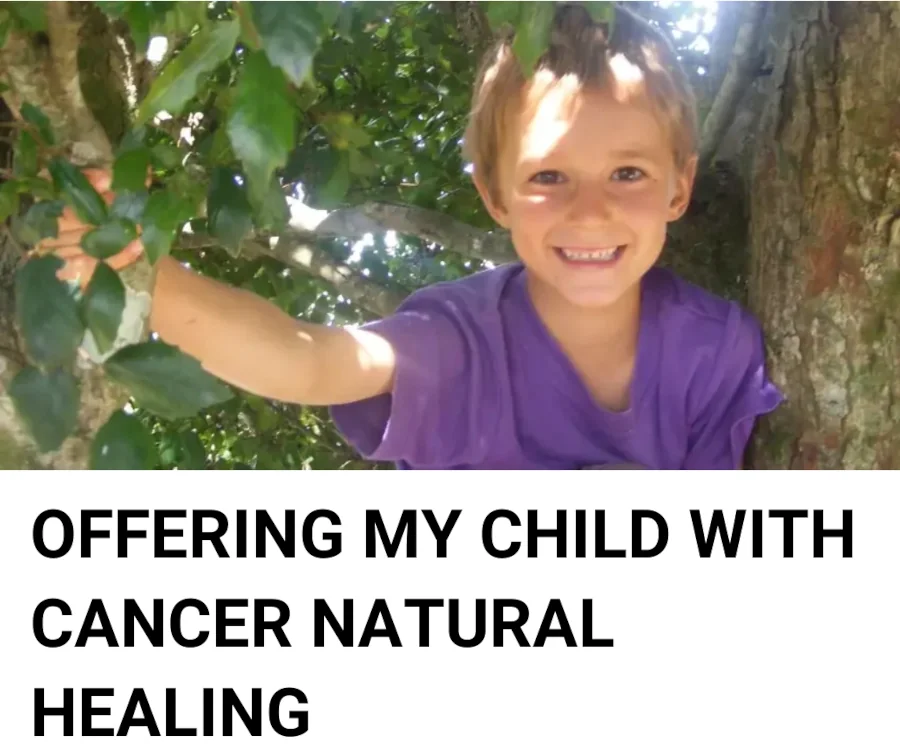
The Facebook group OFFERING MY CHILD WITH CANCER A NATURAL HEALING is a warm and friendly forum for exchange on the theme of Healing pediatric cancer using natural methods. It is open to all parents who have a child with cancer and who are curious to discover the extent to which the keys to natural health can help regenerate their child’s health. The aim is to help each other move forward, beyond the obstacles we face, in order to offer children with cancer natural healing with all the respect and love they deserve.
« If your child has cancer, it means that his or her body is no longer able to withstand the level of stress to which it is subjected, as a result of an environment and lifestyle that are carcinogenic by definition.
Thanks to the law of homeostasis, his or her body is able to destroy the cancer cells it has produced itself.
However, this implies making radical changes in his or her life, by choosing to move towards an environment and lifestyle that I call “carcinofugal”, which means conducive to the disappearance of cancer…»

¡ Viva la Vida ! center
To offer children with cancer natural regeneration of health with all the Respect and Love they deserve.
Natural approaches to cancer by scientists
“Our body is a divine, marvellous and magical creation that was originally designed to function perfectly and enable us to live in excellent health throughout our lives.
If cancer does occur, let’s have the humility to recognize that our body may have been subjected to a level of stress beyond what it was capable of handling.
By identifying with honesty and clarity the causes of this terrible disease, it becomes possible to act directly at the root of the problem with awareness, intelligence and love. It’s in this spirit that we can choose to take the path of natural healing, the path of moving forward in harmony with the laws of life to return to the state of full health that is each of us’ birthright.”
This article was written by Claire Loiseleur, who is the founder and animator of the ¡Viva la Vida! center, whose mission is to offer children with cancer natural regeneration of health with all the Respect and Love they deserve.
To find out more about the ¡Viva la Vida! center and how it works, I cordially invite you to :
In addition, to go further and understand what the ¡Viva la Vida! center is basing on to fulfill its mission serving children with cancer, I invite you to :
Here is a list of compelling and evidence-based articles about NATURAL APPROACHES TO CANCER BY SCIENTISTS :
Go to the YouTube channel ¡VIVA LA VIDA! Center – english :
See the Facebook page : The Viva la Vida center
The Facebook group OFFERING MY CHILD WITH CANCER A NATURAL HEALING is a warm and friendly forum for exchange on the theme of Healing pediatric cancer using natural methods. It is open to all parents who have a child with cancer and who are curious to discover the extent to which the keys to natural health can help regenerate their child’s health. The aim is to help each other move forward, beyond the obstacles we face, in order to offer children with cancer natural healing with all the respect and love they deserve.
« If your child has cancer, it means that his or her body is no longer able to withstand the level of stress to which it is subjected, as a result of an environment and lifestyle that are carcinogenic by definition.
Thanks to the law of homeostasis, his or her body is able to destroy the cancer cells it has produced itself.
However, this implies making radical changes in his or her life, by choosing to move towards an environment and lifestyle that I call “carcinofugal”, which means conducive to the disappearance of cancer…»