


¡Viva la Vida! center
To regenerate your health by living in harmony with Nature

Natural approaches to cancer by scientists
The persecution of those who treat cancer differently
A tribute to those who paid with their freedom and their lives for proposing alternatives to cancer treatment
In the previous article in this series — When scientists validate ancient medicine — we saw that two thirds of humanity live in therapeutic pluralism as a daily reality. In China, India, Russia, Bolivia and many other countries, traditional medicines coexist naturally with conventional medicine, without anyone taking issue with it. We also saw how, during the twentieth century, a pharmaceutical monopoly took hold in a minority of western countries, born of a profound paradigm shift: that of fighting disease rather than rebalancing the body.
This monopoly was not merely a scientific evolution. It generated a self-protective system, with its professional bodies, its health agencies, its laws against the unlicensed practice of medicine, and its authorization procedures. These structures are not without value. But in certain well-documented cases, they functioned as tools of exclusion, capable of criminalizing effective alternative approaches freely chosen by informed patients.
This article documents the journeys of those who paid the price of that exclusion. Marginalized scientists, doctors struck off their registers, researchers hounded by decades of lawsuits, men and women who died under strange circumstances that their loved ones and patients never accepted. These portraits are not here to fuel fruitless outrage. They are here to pay tribute to people who had the courage to face reality head-on. These accounts help us understand that natural approaches to cancer exist within a delicate, complex and often highly risky context.
1. Scientists marginalized by the system
In countries where the medical monopoly is most rigid, rigorous researchers saw their work stifled, ignored or actively opposed. Their discoveries were marginalized, not because they were unfounded, but because they potentially had the power to challenge the dominant paradigm and thereby threaten well-established economic interests. Here are some of these pioneers whose innovative work was buried by a system determined not to question itself.
Max Gerson (1881–1959) — Germany / United States / Mexico
Max Gerson was a German physician who, during the 1930s, developed a nutritional therapy centered on deep liver detoxification: copious amounts of fresh vegetable juice, a raw plant-based diet, and coffee enemas to stimulate the elimination of toxins. His clinical results, sometimes spectacular, were documented. The wife of Albert Schweitzer, a humanitarian physician in Africa and Nobel Peace Prize laureate, suffered from tuberculosis considered incurable. She was successfully treated using the Gerson protocol, and Albert Schweitzer became one of its most ardent advocates.
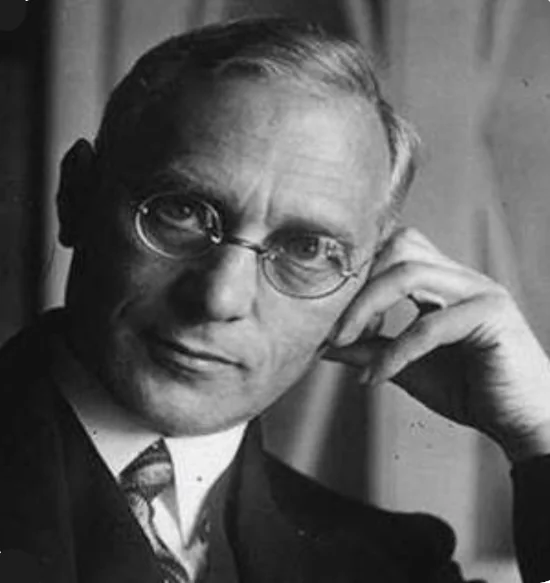
Forced to flee a Europe that was persecuting him, Max Gerson found refuge in the United States. However, the American Medical Association (AMA) harassed him methodically, revoking his medical license in the state of New York. He was then compelled to go into exile in Mexico to continue practicing. He died in 1959, leaving a medical legacy that his daughter Charlotte Gerson continued to share with the world from Mexico. Today, Gerson therapy is practiced in several countries where therapeutic freedom is recognized. To learn more about The nutritional therapy and detoxification of Max Gerson, see the article we have dedicated to him.
André Gernez (1923–2014) — France
André Gernez was a French physician who devoted much of his career to the study of cellular kinetics and the biology of cancer. His central discovery was remarkably logical: cancer develops from microtumors whose growth is cyclical and predictable. From this observation, he proposed a simple, non-invasive method of active prevention: short fasts at regular intervals, a rigorous diet, a coherent lifestyle — all of it capable of stopping microtumors before they became cancerous.
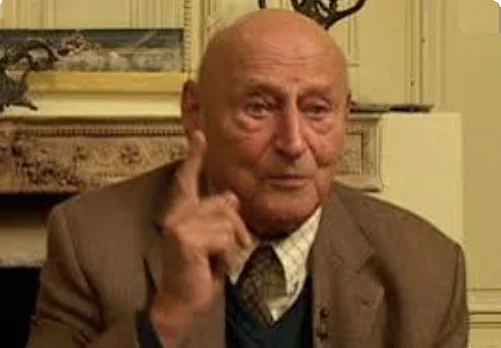
His work, presented to the French medical authorities in the 1970s, was completely ignored. It was neither condemned nor banned — simply buried in absolute silence. This might be called persecution by indifference: no audience is granted, no study funded, no protocol validated. The researcher continued to exist, but without access to the channels that would allow his discoveries to be verified and shared. André Gernez died in 2014 without ever seeing his work integrated into official French medicine. To discover it, read the article André Gernez’s research on cancer biology.
Mirko Beljanski (1923–1998) — France
The case of Mirko Beljanski is one of the most troubling in the history of French alternative medicine. This biologist of Yugoslav origin built his career at the Institut Pasteur, where he worked on RNA and the mechanisms of pathological cell replication. From plant extracts — notably Pao pereira and Rauwolfia vomitoria — he developed substances capable, according to his research, of blocking the proliferation of cancer cells while stimulating the production of white blood cells and platelets, which are often severely depleted after chemotherapy. He published 133 scientific articles and filed eleven patents.
Despite this, his applications for marketing authorization were systematically ignored or blocked. In the early hours of October 1996, a squad of GIGN gendarmes — the elite unit specializing in the management of serious criminal and counter-terrorism crises — raided his laboratory in Saint-Prim with tracker dogs and a helicopter. The laboratory was ransacked, all products seized and destroyed. Beljanski was arrested, handcuffed and placed in police custody. One month after this violent shock, he developed a fulminant acute myeloid leukemia. Having no access to his own extracts — entirely destroyed during the GIGN raid — he died two years later, in October 1998.
In 2002, the European Court of Human Rights ruled against France for failing to process his case within a reasonable period of time. His daughter Sylvie, a lawyer in New York, founded The Beljanski Foundation to continue her father’s research. American universities — Columbia and Kansas — have since obtained encouraging results using Beljanski extracts on certain types of cancer.
Royal Raymond Rife (1888–1971) — United States
Royal Raymond Rife was a brilliant American inventor. In the 1930s, he developed a microscope of unprecedented power, capable of observing living microorganisms — something impossible with the conventional microscopes of the time, which required a process that killed the cells. From this microscope, he developed a theory: certain pathogens, including those he associated with cancer, could be destroyed by specific electromagnetic frequencies corresponding to their own resonance — without affecting neighboring healthy cells.
His early results were welcomed with interest by some Californian physicians in the 1930s. Then silence. Unknown individuals burned down his laboratory. The AMA and the FDA took an interest in his work in a way that was not in his favor: his equipment was seized, his collaborators intimidated, his archives scattered. Rife died in 1971 in obscurity and great poverty. His story remains one of the most emblematic cases of what some historians of science call “technological suppression.”
Gaston Naessens (1924–2018) — France / Quebec
Gaston Naessens was a French biologist who emigrated to Quebec after encountering difficulties practicing freely in France. There he invented the somatidoscope, an optical condensation microscope capable of observing living particles — the somatids — present in the blood, whose behavior would vary according to the subject’s state of health. From these observations, he developed 714-X, a preparation based on camphorated nitrogen injected into the lymphatic system, aimed at strengthening natural immunity.
In 1989, he was the subject of a landmark trial in Quebec, charged with unauthorized medical practices. The trial gave rise to a remarkable mobilization: dozens of patients testified in his favor, attesting to significant improvements in their health. He was ultimately acquitted. Naessens continued to work until his death in 2018, recognized by his patients but definitively excluded from the institutional medical system.
2. Doctors struck off for dissidence
There is a particularly striking case of institutional persecution: that of physicians trained within the system, having completed all official studies, who were nonetheless struck off their professional registers for having proposed different approaches to consenting and informed patients. Their crime was not incompetence. It was non-conformity.
Geerd Hamer (1935–2017) — Germany
Dr. Geerd Hamer was a German physician whose son was shot and killed in 1978 under tragic circumstances. Shortly after this intense emotional shock, Hamer himself developed testicular cancer. By examining the records of his cancer patients, he formulated a hypothesis that would become the foundation of his Germanic New Medicine: each type of cancer would correspond to a specific biological conflict, experienced in an intense, sudden and isolated way — a psycho-emotional shock whose resolution would allow the spontaneous regression of the disease to begin.
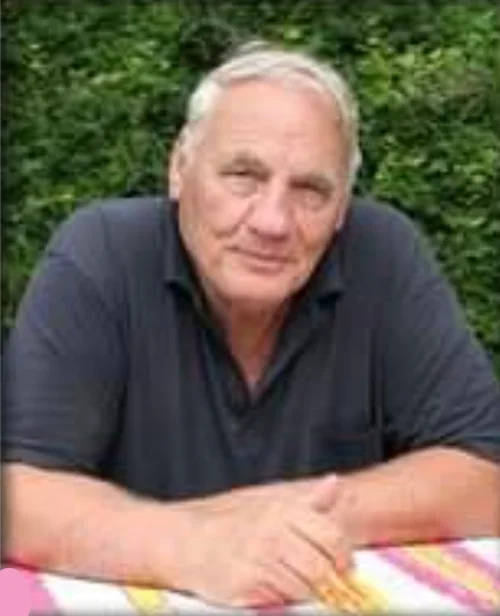
Hamer claimed survival rates of 90 to 95% among patients following his method — a figure impossible to verify independently. His approach was rejected by the German, French and Spanish medical institutions. He was struck off the medical register in Germany, imprisoned in France and Spain, and died in exile in Norway in 2017. His work remains deeply polarizing, between advocates convinced by their own results and critics pointing to the absence of rigorous clinical validation. To explore this subject further, see the full article: Geerd Hamer’s discoveries on biological conflicts.
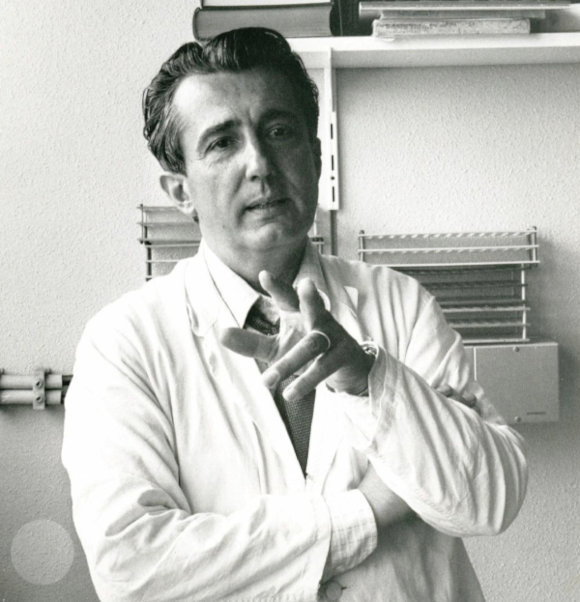
Jean-Pierre Willem (born 1938) — France
Jean-Pierre Willem is a French physician and former war surgeon who practiced in conflict zones across Africa. This experience in contact with traditional African medicine left a deep impression on him and convinced him of the effectiveness of natural approaches. Back in France, he founded Médecins aux Pieds Nus — Barefoot Doctors — an organization aimed at promoting accessible medicine, respectful of the biological terrain and local natural resources.
He took firm public positions on the limitations of standardized protocols in conventional medicine and on the value of natural medicine for treating the cause of diseases rather than their symptoms. In 2003, he was permanently struck off the French Medical Council. His defense was simple and coherent: medicine had become an industry, and treating the cause required different tools from those it offered.
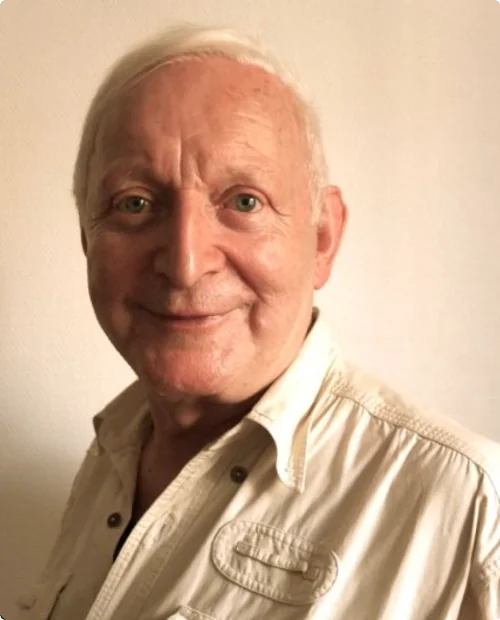
Now over 85 years old, Dr. Willem continues to teach and write, and remains actively committed to promoting natural medicine. A humanitarian physician honored on several occasions for his fieldwork, he is certified in most natural medical disciplines — homeopathy, acupuncture, phytotherapy, aromatherapy — and is recognized as a leading authority in his field. He is the author of around a dozen books, some of which have become bestsellers translated into several languages: 110 diseases of the 21st century, I want to be a young centenarian, When the brain fails, Everything you need to know about viruses and how to face them, 100 natural prescriptions for 100 common diseases, and many others. Particularly relevant in the context of this article, he also wrote Preventing and overcoming cancer — a work that illustrates on its own the depth of his conviction that nature offers answers where conventional medicine reaches its limits.
He can also be found on YouTube, where he speaks with remarkable energy and clarity, addressing with the same generosity a very wide range of conditions. His approach is characteristic: first explain the disease, present the conventional treatment with its limitations, then open up the field of natural possibilities — homeopathy, trace elements, gemmotherapy, essential oils, dietary guidance. His deep conviction is that Creation and Nature are more powerful than pharmaceutical laboratories — and that for every disease, nature has already provided a response. He has also written a compelling work titled The secret of cancer-free peoples, presented in the article of the same name.

Tal Schaller (1944–2025) — Switzerland
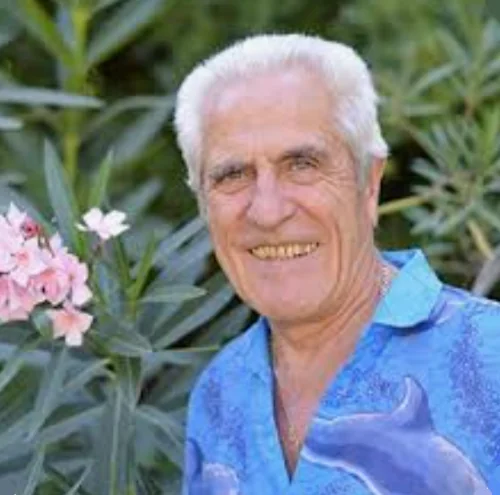
Tal Schaller was a Swiss general practitioner who gradually specialized in natural and holistic health. His public positions — notably on vaccination and chemotherapy protocols — led to him being struck off the Swiss medical register and placed under surveillance by the MIVILUDES, the French body responsible for monitoring sectarian abuses. His was the figure of the dissident through speech: he never practiced clandestinely, but chose to speak publicly about what he believed were medical truths ignored by the system. His journey illustrates how narrowly medical freedom of expression can be constrained in monopoly countries. The author of numerous works on natural and holistic health, Tal Schaller continued to write and teach until his last breath, remaining active until October 2025, just one month before passing away following a brief illness. To discover this physician, read the article The holistic medicine of Tal Schaller.
Loïc Le Ribault (1947–2007) — France / British Isles
Loïc Le Ribault was not a physician but a geologist, a forensic expert recognized by the French courts. He contributed to the development of Organic Silicon G5, a silicon-based preparation that many users testified had beneficial effects on joint pain and immune system support. Without belonging to the medical profession, he found himself caught in the same logic of exclusion: judicial harassment, imprisonment, a ban on any activity connected to this product in France. He went into exile in Ireland, then in Jersey, to be able to continue his research in a less hostile environment. He died in 2007, in exile, far from his homeland.
3. The interminable legal battles
Some practitioners were never definitively convicted. But they endured decades of proceedings that drained their energy, depleted their financial resources and consumed their time — to the detriment of their research and their patients. The process itself was the punishment: exhaust, ruin, silence without ever having to prove anything.
Stanislaw Burzynski (born 1943) — Poland / United States
Dr. Stanislaw Burzynski is a Polish physician and biochemist who emigrated to the United States and founded a clinic in Houston, Texas in 1977. After graduating at the top of his medical class at age 24 and earning a doctorate in biochemistry the following year, he discovered during his research peptides present in the blood and urine of healthy individuals but absent in cancer patients. He named these peptides antineoplastons and set about using them as a cancer treatment.
What followed is one of the best-documented examples of institutional harassment in the United States. As early as 1983, the FDA obtained a federal injunction prohibiting him from transporting his antineoplastons outside the borders of Texas. In 1995, a federal grand jury indicted him on seventy-five counts of fraud and violation of federal drug laws. After twenty days of trial that made headlines around the world, thirty-four charges were dropped for lack of evidence. On the remaining forty-one, the jury was unable to reach a verdict. No conviction. But no end either: the Texas Medical Board attempted on several occasions to revoke his license, without ever succeeding definitively. The legal harassment lasted more than forty years.
During these decades of proceedings, hundreds of patients — including many cases considered incurable by conventional medicine, notably children with brain tumors — testified in his favor, claiming to be in remission thanks to his protocol. These testimonies were never considered sufficient evidence. The FDA eventually authorized clinical trials in the 1990s, but their conduct was itself the subject of controversy. Burzynski continues to practice in Houston.
A few other documented cases
The Burzynski case is not isolated. In France, Dr. Mirko Beljanski faced three successive complaints from the Ministry of Health over a period of eight years before the final GIGN intervention. In Switzerland, therapists using ozone therapy or high dilution regularly faced lengthy and costly proceedings, without ever being convicted on the merits. In Canada, Gaston Naessens was also subject to repeated proceedings well after his acquittal in 1989. These cases trace a coherent pattern: the goal is not conviction but exhaustion.
4. Those whose lives were cut short under suspicious circumstances
There is a final category, more delicate to address with honesty. Some practitioners and researchers in the field of natural health died prematurely, under circumstances that their loved ones, patients or colleagues found deeply troubling. I want to be very clear about how I present these facts: I am not in a position to claim that these were murders. The reality of each human life is complex, and depression, illness or accident can strike anyone, including the most committed men and women. What I can do — and what intellectual integrity demands — is to document the facts as they are, point out inconsistencies where they exist, and allow the reader to form their own judgment.
Nicholas Gonzalez (1947–2015) — United States
Dr. Nicholas Gonzalez was an American physician whose work we presented earlier in this series. He had developed a nutritional and enzymatic protocol — drawing on the research of Dr. William Kelley — that had enabled some of his patients with cancers considered incurable, particularly pancreatic cancer, to achieve lasting and documented remissions. He was in full medical activity, intellectually and physically active, when he died on July 21, 2015, at the age of 67, from a sudden heart attack.
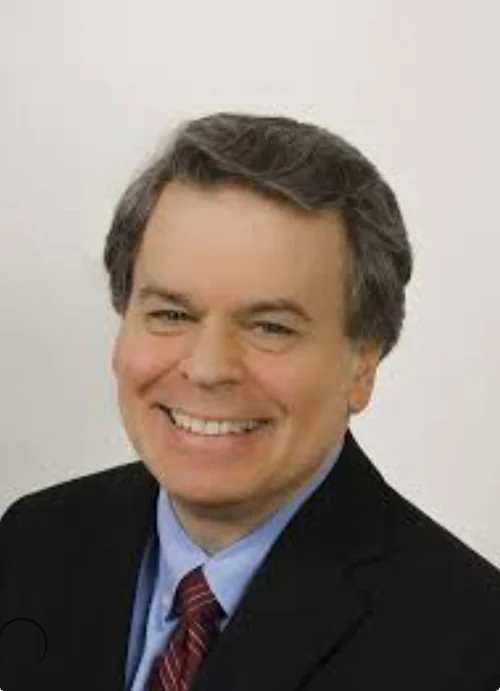
His death, swift and unexpected for those around him who did not describe him as frail, came as a shock to his loved ones and patients. It occurred in a particular context: Gonzalez had just participated in a comparative clinical trial funded by the National Cancer Institute, whose results — which he considered profoundly biased by a protocol unfavorable to his treatment — had undermined the recognition of his work. He was preparing his public response to that trial. He died before publishing it. To learn more, see the full article: Dr. Nicholas Gonzalez’s clinical results.
Frank Suárez (1950–2021) — Puerto Rico
Frank Suárez was a Puerto Rican specialist in human metabolism, founder of Natural Slim, and author of five books translated into several languages, including El Poder del Metabolismo (The power of your metabolism), which sold more than five million copies. His YouTube channel Metabolismo TV had more than six million subscribers at the time of his death. Through hundreds of videos and seminars, he taught how to improve metabolic health through diet and lifestyle — and showed in particular how certain chronic conditions, including depression, could improve naturally without chemical medication.
In 2020, he had written a book titled Si yo tuviera cáncer — If I had cancer — in which he laid out his natural approach to cancer. No publisher was willing to publish it. On February 25, 2021, he was found dead at the foot of his apartment building in San Juan, Puerto Rico. The police concluded it was a suicide within less than twenty-four hours, stating that he had been suffering from depression for several months and had stopped his medication shortly before his death.
Thousands of his followers across Latin America could not accept this conclusion. His wife stated that he was going through a difficult period but had never seen him in a state that suggested such a gesture. Men and women whose health he had helped restore signed petitions — gathering, according to some sources, tens of thousands of signatures — calling for a more thorough investigation. Across Latin America, his passing is widely regarded, in natural health circles, as a suspicious death. His book on cancer has still not been published, several years after his death, despite the insistent demands of his followers.
What really happened? I do not know. Nobody can say for certain. What I do know is that this man had devoted his life to helping millions of people reclaim power over their health, that he was on the verge of publishing a book on cancer that threatened established interests, and that he died under circumstances that many of those who loved him found inexplicable. Indeed, this radiant, smiling man — deeply motivated by his mission and his work, surrounded by his wife, his children and his mother, and having produced programs on how to heal depression — had no apparent reason to take his own life.
Mirko Beljanski — a reminder
We mentioned Mirko Beljanski in Part 1 as a marginalized researcher. But his death deserves to be mentioned here as well, since the causal link between the persecution he suffered and his death seems difficult to deny. This is not an accident, nor a coincidence of timing: barely one month after the GIGN stormed his laboratory, destroying all his work, arresting him and forbidding him to speak to the press, Mirko Beljanski developed acute myeloid leukemia, a disease considered 100% fatal at his age. Worse still: deprived of his own extracts — entirely destroyed during the raid — he could not even treat himself with what he had developed. He died two years later. The emotional and physical shock of such persecution — now recognized as a trigger for certain cancers, in particular since the work of Geerd Hamer — appears to have played a central role in the sudden onset of this disease.
A pattern that extends beyond the field of cancer
I want to mention here, briefly, a fact that personally affected Christophe and me. In 2001, a man committed to organic farming whom we knew, Dominique Laurent, was found burned to death in his office in Angers, France. This well-connected man was in the process of organizing the commercialization of organic meat throughout France, which could have threatened the financial interests of organizations selling conventional meat. The official verdict was immediate: suicide. The case was closed that same day, without any serious investigation. Christophe was present in that context and carries a profoundly disturbing memory of that episode. I am not saying that this man was murdered. What I am saying is that the hasty classification of a violent death as suicide — without thorough investigation — is not a practice confined to the field of cancer. It is a suspicious pattern that can be observed whenever someone who disrupts powerful interests disappears in a strange and unexpected way.
5. Therapeutic choice: a fundamental human right
Who should decide?
Having traveled through these portraits, a question arises naturally — and it goes far deeper than the simple register of injustice or outrage. Who, in reality, should decide what treatment a sick person chooses for their own body? The state? Professional bodies? The pharmaceutical industry? Or the person themselves, accompanied by those in whom they have freely placed their trust? The men and women who were struck off, imprisoned, exiled or broken were not practicing behind their patients’ backs. They were offering alternatives. And their patients chose freely, with full knowledge of the facts.
A freedom that most of the world already enjoys
As we saw in the previous article: two thirds of humanity live in a world where therapeutic pluralism is the norm. In China, India, Bolivia, Mexico and Russia, billions of people freely access the medicine of their choice every day — conventional or natural — without anyone pursuing them for it. These countries are not behind the times. They have made a political choice: to respect individual freedom in matters of health. Therapeutic freedom is not an alternative utopia. For most of the world, it is already a daily reality.
My personal position
I was born on July 14 in Paris. This date has always made me particularly sensitive to the values of freedom and the fundamental rights of human beings. A naturalized Bolivian for several years — in a country whose Constitution officially recognizes traditional medicines — and a mother of eleven children born on four continents, I have had the good fortune to live in countries where therapeutic freedom is a reality, not an exception. I know firsthand, therefore, that what the portraits in this article describe is not a universal inevitability. It is a situation that is geographically and historically localized.
It is precisely for this reason that I chose to create the ¡Viva la Vida! center in Bolivia. Not by chance or for convenience. But because Bolivia is a country where I can offer children with cancer a natural regeneration of their health with all the respect and love they deserve, without being prosecuted for it. I do not fight against the conventional medical system, which I deeply respect and whose remarkable dedication of healthcare workers I recognize. I am building something beautiful alongside it, in a space of real freedom.
I am aware of the legacy I carry. The men and women whose stories I have told in this article opened a path at an immense price. I walk that path with humility and gratitude. And with the firm conviction that their work was not in vain.
Conclusion — The blood of martyrs, seed of a better world
Most of these men and women are no longer with us. Max Gerson died in 1959, shunned by the mainstream medical establishment he had hoped to convince. Royal Raymond Rife died in 1971 in obscurity and poverty. Loïc Le Ribault died in 2007 in exile in Jersey. Nicholas Gonzalez died in 2015 before he could defend his results. Mirko Beljanski died in 1998, broken by a raid that destroyed both his laboratory and his health. Frank Suárez died in 2021 under circumstances his loved ones never accepted. They paid an immense price — some in poverty, others in exile, still others under conditions that their loved ones consider a deferred murder.
Their only crime was failing to conform to the dominant paradigm. They were neither charlatans nor irresponsible. They were rigorous, often brilliant men and women, bearers of discoveries that grateful patients attested to having experienced firsthand. Their work was not refuted on scientific grounds. It was suppressed on institutional, economic and political grounds.
But their work itself has endured. It is available and accessible, waiting only for hands and hearts to decide to put it into practice.
This is precisely what I felt called to do. Not to replay their struggles, nor to shout their injustice from the rooftops. But to do something concrete and beautiful with the legacy they left us. The blood of martyrs is a seed — a seed of a world where children with cancer can heal with joy, in the sunshine, picking mandarins in the fertile gardens of the Pachamama.
This is the profound reason why I created the ¡Viva la Vida! center, whose mission is to offer the children with cancer who come to stay there a natural regeneration of their health with all the respect and love they deserve.

“Our body is a divine, marvelous, and magical creation that was originally designed to function perfectly and enable us to live in excellent health throughout our lives.
If cancer does occur, let us have the humility to recognize that our body may have been subjected to a level of stress beyond what it was capable of handling.
By identifying with honesty and clarity the causes of this terrible disease, it becomes possible to act directly at the root of the problem with awareness, intelligence, and love. It is in this spirit that we can choose to follow the path of natural healing, the path of moving forward in harmony with the laws of life to return to the state of full health that is the birthright of each and every one of us.”
This article was written by Claire Loiseleur, founder and host of the ¡Viva la Vida! Center, whose mission is to help the residents who come to stay there regenerate their health through a lifestyle in harmony with Nature.
To understand what the Centre ¡Viva la Vida! is and how it works, I cordially invite you to:

To see this regeneration in action through videos and real testimonials, I invite you to:
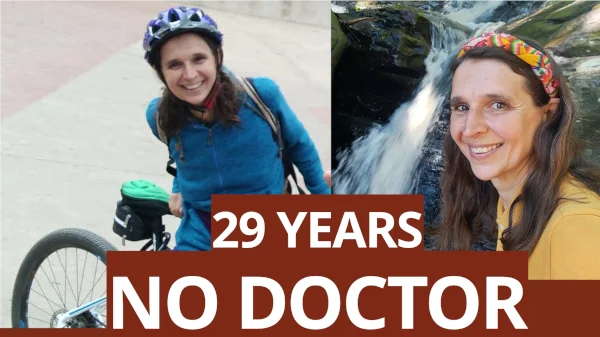
Beyond that, to go further and understand the foundations of the natural health approach practiced at the Center — its principles, its thinkers, and its approach to cancer — I wholeheartedly invite you to:

Here is a list of compelling and evidence-based articles about NATURAL APPROACHES TO CANCER BY SCIENTISTS :
Go to the YouTube channel ¡VIVA LA VIDA! Center – english:

See the Facebook page: The Viva la Vida Center

The Facebook group REGENERATING HEALTH BY LIVING IN HARMONY WITH NATURE is a warm and friendly forum for exchange on the theme of Healing pediatric cancer using natural methods. It is open to all parents who have a child with cancer and who are curious to discover the extent to which the keys to natural health can help regenerate their child’s health. The aim is to help each other move forward, beyond the obstacles we face, in order to offer children with cancer natural healing with all the respect and love they deserve.
“Life is a precious gift we receive on the day we are born. Each of us has the power to take care of our bodies, in order to keep them in top shape, regardless of our chronological age. By honoring the life within us with wisdom, awareness, and love, we can treat ourselves to the ultimate luxury of living happily and in good health, throughout our journey on this wonderful planet.”