


¡ Viva la Vida ! center
To offer children with cancer natural regeneration of health with all the Respect and Love they deserve.


Natural approaches to cancer by scientists
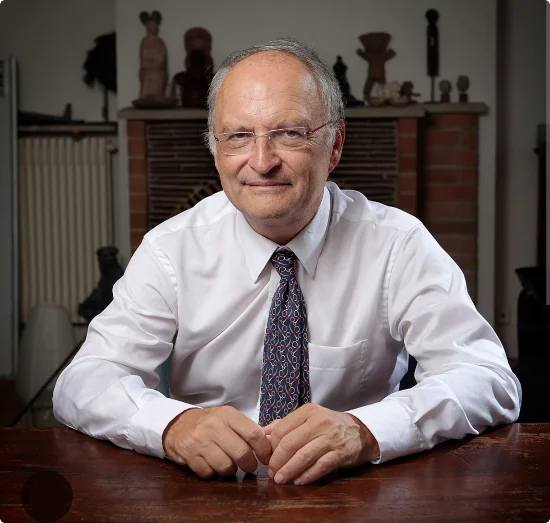
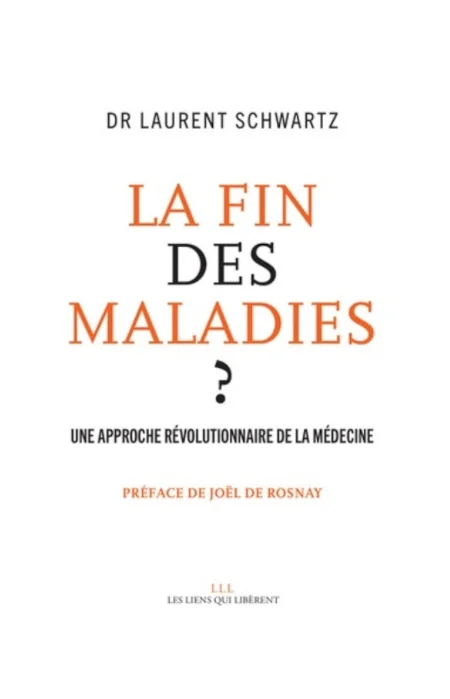
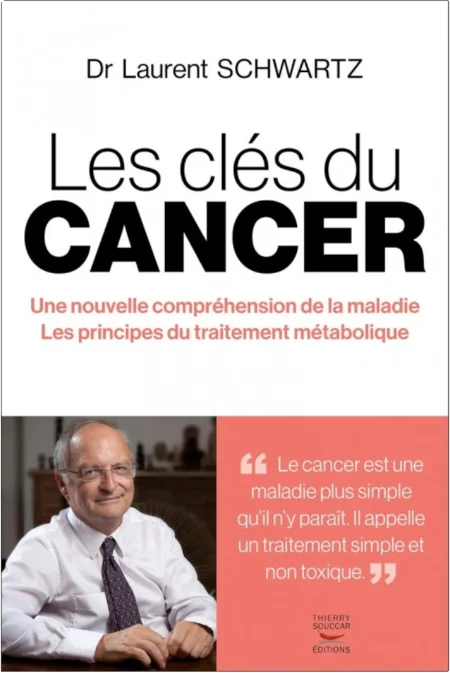
Laurent Schwartz’s work on cancer cells
The physician who opened a new pathway to understanding cancer through mitochondria
In the landscape of natural approaches to cancer, Laurent Schwartz occupies a unique place. This French oncologist, trained at leading American medical institutions, dared to question the very foundations of modern cancer research. Drawing on rigorous scientific evidence, he offers a new understanding of cancer that opens up new perspectives. His research confirms that cancer is not the mysterious and invincible enemy we are led to believe, but a metabolic disease whose logic, once understood, reveals remarkably simple avenues for treatment.
1. A brilliant oncologist confronted with the limitations of conventional treatments
Born in 1958 in Strasbourg into a family of Alsatian intellectuals and scientists, Laurent Schwartz followed an exemplary academic career. After studying medicine in France, he went to the United States, the heart of global cancer research, to further his training. He joined the National Cancer Institute as a researcher, then specialized in oncology at Massachusetts General Hospital, affiliated with the prestigious Harvard Medical School. This excellent training gave him in-depth knowledge of conventional cancer treatment protocols.
Returning to France in 1990, he joined the Assistance Publique des Hôpitaux de Paris as a radiation therapist. It was there, in daily contact with patients, that he realized the magnitude of the problem. Despite technical advances, despite billions invested in research, despite increasingly sophisticated treatments, cancer mortality has declined very little since the 1960s in Western countries. For some of the most aggressive cancers, such as those of the pancreas, lung, liver, or brain, half of patients do not survive six months after diagnosis.
This brutal confrontation with the limits of conventional therapies led Laurent Schwartz to question the very foundations of cancer research. What if the current approach was wrong? What if, instead of seeking only to destroy cancer cells with increasingly aggressive treatments, we sought to understand why they malfunction? This courageous questioning led him to explore a path that had been forgotten for nearly a century: cellular metabolism.r une piste oubliée depuis près d’un siècle, celle du métabolisme cellulaire.
2. Research following on from the discoveries of Dr. Otto Warburg
It was by revisiting the work of Otto Warburg, winner of the Nobel Prize in Medicine in 1931, that Laurent Schwartz found the key to his understanding of cancer. Warburg had discovered that cancer cells have an energy metabolism that is profoundly different from that of healthy cells. While normal cells produce their energy mainly through cellular respiration in the mitochondria, cancer cells ferment glucose even in the presence of oxygen. This phenomenon, known as the Warburg effect, transformed our understanding of cancer.
Warburg had put forward the bold hypothesis that this metabolic dysfunction was not a consequence of cancer, but its primary cause. Carcinogenic factors such as age, toxic products, radiation, and chronic stress would only be secondary causes triggering this metabolic shift. However, this revolutionary vision was abandoned in favor of the genetic approach that dominates cancer research today. Researchers preferred to look for mutations in genes rather than focus on the energy functioning of cells.
Laurent Schwartz understands that this metabolic approach needs to be rehabilitated. With a multidisciplinary team of physicists, mathematicians, biologists, and doctors, he is revisiting and furthering Warburg’s discoveries. This collaboration between different disciplines brings a fresh perspective to cancer. Physicists contribute their understanding of energy flows, mathematicians model metabolic processes, and biologists study cellular mechanisms. This cross-disciplinary approach has led to the understanding that all cancers, regardless of their location, share the common characteristic of mitochondrial dysfunction.
The use of PET scans in oncology confirms this metabolic reality. This test involves injecting radioactive glucose into the patient. The areas where this glucose concentrates heavily reveal the presence of cancer cells, which are hungry for sugar due to their abnormal metabolism. This daily clinical observation validates the relevance of the metabolic approach, even if conventional medicine does not draw all the therapeutic conclusions from it.
3. Cancer seen as the consequence of mitochondrial dysfunction: the metabolic theory
In a healthy cell, mitochondria function as veritable power plants. They burn glucose in the presence of oxygen to produce energy in the form of ATP, while generating carbon dioxide and water. This process of cellular respiration is remarkably efficient, producing thirty-two ATP molecules from a single glucose molecule. During this combustion, the cell extracts electrons and protons from glucose and combines them with oxygen to form metabolic water.
But what happens when this system malfunctions? When the mitochondria no longer function properly, glucose can no longer be burned efficiently. The electrons and protons that should combine with oxygen remain trapped in the cell, creating a massive metabolic bottleneck. Laurent Schwartz refers to an excess of electrons causing veritable energy congestion. The cell finds itself in a physiological deadlock.
To survive despite this malfunction, the cancer cell has only one solution: to switch to fermentation. It opens its floodgates to glucose and consumes it in considerable quantities. A cancer cell ingests up to ten times more glucose than a healthy cell. But this fermentation produces much less energy than normal respiration, only two ATP molecules per glucose molecule instead of thirty-two. The cell must therefore compensate for this catastrophic yield by absorbing ever more glucose.
This fermentation produces lactate, transforming the environment around the tumor into an acidic medium. Paradoxically, the cancer cell itself becomes basic, which promotes its rapid multiplication. Electrons that no longer find their normal target, oxygen, are diverted to biomass synthesis. Instead of producing energy and heat, the cell produces cell membranes and proliferates in an uncontrolled manner. Cancer thus appears to be the direct consequence of a problem with sugar combustion linked to the malfunctioning of mitochondria.
This metabolic understanding helps us grasp why all cancers, despite their apparent diversity, share this fundamental characteristic. Whether it is breast, lung, liver, or brain cancer, the underlying mechanism remains the same: failing mitochondria, excessive fermentation, pathological glucose consumption, and uncontrolled cell proliferation. The seat of the cancer mechanism is therefore in the mitochondria, and not in the genome as postulated by mainstream cancer research.
4. The proposal for a simple, non-toxic metabolic treatment to restore cellular respiration
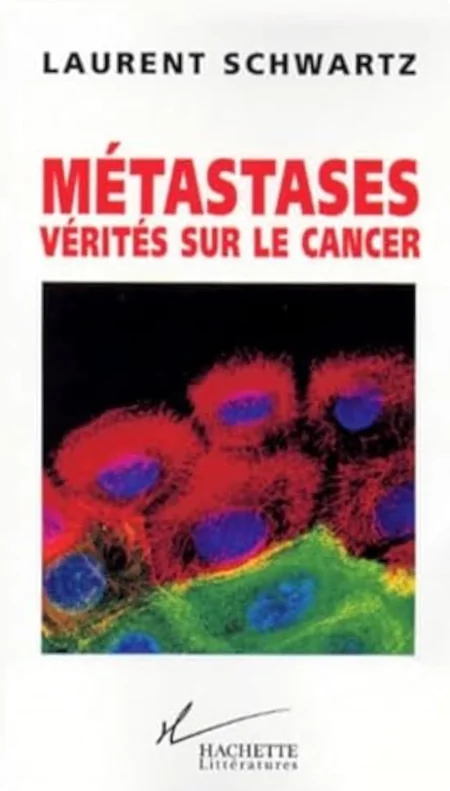
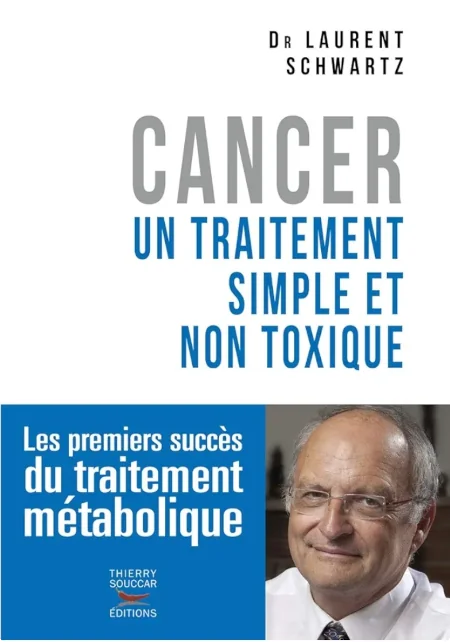
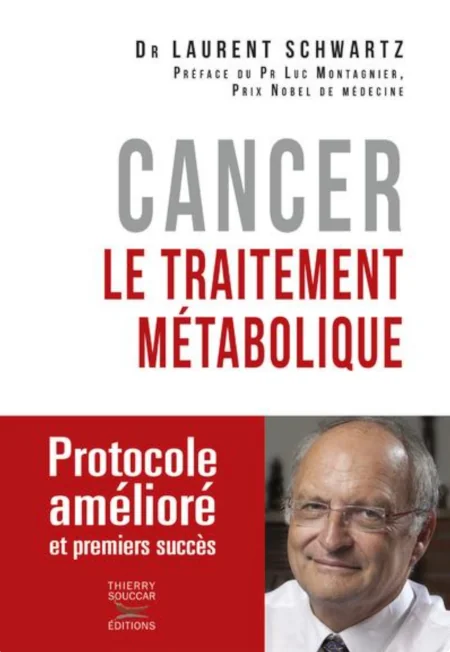
Based on this metabolic understanding, Laurent Schwartz proposes a therapeutic strategy that differs radically from conventional approaches. Instead of seeking only to destroy cancer cells, he suggests correcting their metabolism to bring them back to normal functioning. This metabolic normalization involves two complementary approaches: reducing the supply of glucose to cancer cells and restarting mitochondrial activity.
To reduce glucose availability, Laurent Schwartz recommends a ketogenic diet that is low in carbohydrates and high in quality fats. This diet forces the body to produce ketone bodies as an alternative source of energy. Healthy cells easily adapt to this metabolic change, but cancer cells, which depend on glucose fermentation, find themselves deprived of their main fuel. This carbohydrate restriction is a first line of metabolic defense against tumor proliferation.
At the same time, Laurent Schwartz proposes using substances capable of boosting mitochondrial activity. After testing around a hundred molecules on animal models, his team identified a particularly interesting combination: alpha-lipoic acid and hydroxycitrate from Garcinia cambogia. Alpha-lipoic acid acts as an activator of pyruvate dehydrogenase, a key enzyme that allows glucose to enter the mitochondria to be burned properly. Hydroxycitrate, on the other hand, inhibits citrate lyase, an enzyme involved in the synthesis of cell membranes, thus limiting the ability of cancer cells to proliferate.
Experiments conducted by Laurent Schwartz on mice with tumors have shown that this combination stabilizes tumor growth and even causes certain tumors to regress. Some patients with serious cancers, particularly glioblastomas or brain metastases, have experienced significant improvements by combining this metabolic treatment with targeted chemotherapies. Laurent Schwartz emphasizes that his protocol does not replace conventional treatments but complements them, making cancer cells more vulnerable to traditional therapies.
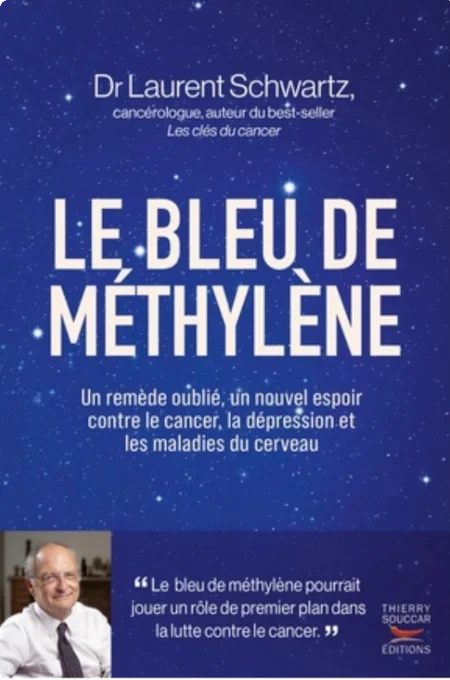
To these two main substances, Laurent Schwartz gradually added methylene blue, a molecule capable of restoring the damaged mitochondrial respiratory chain. Methylene blue acts as an alternative electron carrier, helping to unblock metabolic congestion and reduce pathological fermentation. This metabolic protocol is therefore presented as a non-toxic complementary treatment, aimed at correcting the energy dysfunction of cancer cells rather than poisoning them on a massive scale.d’électrons alternatif, permettant de débloquer l’embouteillage métabolique et de réduire la fermentation pathologique. Ce protocole métabolique se présente donc comme un traitement complémentaire non toxique, visant à corriger le dysfonctionnement énergétique des cellules cancéreuses plutôt qu’à les empoisonner massivement.


5. The importance of restoring mitochondrial function in cancer: an even more natural approach
Laurent Schwartz’s work confirms the crucial importance of mitochondrial health in cancer prevention and treatment. His proposal to use alpha-lipoic acid, hydroxycitrate, and methylene blue is an interesting step towards less toxic treatments. However, these substances are still ingested products with their own set of possible side effects, even if they are minimal compared to conventional chemotherapy. Gastrointestinal disorders, headaches, and even hepatitis in rare cases have been reported in some patients following this protocol.
However, there are even more natural and profoundly physiological ways to restore mitochondrial function. These approaches, which are well known and documented by scientific research, address the root causes of mitochondrial dysfunction without introducing exogenous substances into the body. They stimulate the body’s self-regenerative abilities by simply providing the conditions conducive to its proper functioning.
Regular physical exercise is one of the most powerful ways to stimulate mitochondrial biogenesis. When we use our muscles, particularly during endurance exercises or interval training, we send a signal to our cells to produce new mitochondria and improve the efficiency of existing ones. This physical activity increases the cells’ ability to burn glucose and produce energy optimally. In addition, active muscles compete with cancer cells for glucose uptake, creating metabolic pressure that limits the availability of this fuel for tumor proliferation.
Living outdoors and spending time in nature also offers considerable benefits for mitochondrial health. Clean air, charged with negative ions and enriched by volatile compounds emitted by vegetation, promotes optimal tissue oxygenation. Mitochondria need oxygen to function properly, and a natural environment provides this oxygen in its most bioavailable form. In addition, contact with nature reduces chronic stress, a major factor in mitochondrial dysfunction. The decrease in cortisol and stress hormones allows cells to regain a balanced metabolism.
Sun exposure plays a particularly fascinating role in mitochondrial restoration. Mitochondria have photoreceptors capable of capturing photons from sunlight, particularly in the red and infrared wavelengths. This phenomenon of photobiomodulation directly stimulates ATP production by activating cytochrome c oxidase, a key enzyme in mitochondrial respiration. Sunlight thus improves the mitochondria’s ability to burn glucose and produce energy, while reducing oxidative stress. Moderate exposure to sunlight, especially in the morning, therefore naturally contributes to the revitalization of failing mitochondria.
A living diet, rich in natural antioxidants and free of toxins, protects and nourishes the mitochondria. Colorful vegetables, fresh fruits, nuts, and seeds provide essential nutrients such as B vitamins, coenzyme Q10, omega-3s, and numerous antioxidants that support mitochondrial function. Glutathione, the main intracellular antioxidant, can be boosted by eating the right foods, thereby protecting mitochondria from oxidative stress. Avoiding processed foods, pesticides, and chemical additives spares mitochondria from exhausting detoxification work that compromises their energy function.
Finally, deep sleep in a calm, dark environment is a fundamental pillar of mitochondrial regeneration. It is during the deep sleep phases that the most important cellular repair processes take place. Damaged mitochondria are eliminated through a process called mitophagy, while new, healthy mitochondria are synthesized. Melatonin, a sleep hormone secreted in darkness, directly protects mitochondria and promotes their regeneration. Quality sleep, in a place free from noise and light pollution, therefore allows cells to restore their energy capacity.
These natural approaches have several significant advantages over drug treatments, however innovative they may be. They are completely free of undesirable side effects. They act holistically on the entire body, not just on the tumor. They simultaneously strengthen all the body’s systems: immune, nervous, hormonal, and cardiovascular. They are accessible to everyone, without a prescription or significant expense. Above all, they deeply respect human physiology by stimulating the body’s self-regulating and self-healing abilities.
At the ¡Viva la Vida! center, it is precisely this holistic approach that is used to help children with cancer regain their health naturally. Rather than using the products offered by Laurent Schwartz, as interesting as they may be, we favor these even more natural and powerful methods. We create a cancer-fighting environment where daily exercise, life in the fresh air of the Bolivian mountains, exposure to the generous tropical sun, a living diet from our permaculture gardens, and deep rest in the calm of nature combine to provide cells with the optimal conditions for regeneration.
Conclusion: A comprehensive understanding of cancer as a reversible energy disease
Laurent Schwartz’s work represents a major contribution to the metabolic understanding of cancer. Building on Otto Warburg’s discoveries and furthering them through a multidisciplinary scientific approach, he has demonstrated that cancer is not the mysterious and invincible disease it is often portrayed to be. It is a disease of cellular metabolism, a fermentation caused by failing mitochondria, and therefore a potentially reversible disease if we can restore the energy functioning of cells. This vision opens up therapeutic prospects based on metabolic correction rather than the massive destruction of cells.
Beyond the substances he proposes, Laurent Schwartz reminds us of an essential truth: cancer is above all an energy disease that calls for an energy response. The most natural ways to restore this cellular energy exist and are available to everyone. By providing the body with cancer-fighting living conditions, we stimulate its extraordinary capacities for self-regulation and regeneration. This respectful and holistic approach is the very foundation of the ¡Viva la Vida! center’s approach to helping children with cancer achieve natural healing.

“Our body is a divine, marvellous and magical creation that was originally designed to function perfectly and enable us to live in excellent health throughout our lives.
If cancer does occur, let’s have the humility to recognize that our body may have been subjected to a level of stress beyond what it was capable of handling.
By identifying with honesty and clarity the causes of this terrible disease, it becomes possible to act directly at the root of the problem with awareness, intelligence and love. It’s in this spirit that we can choose to take the path of natural healing, the path of moving forward in harmony with the laws of life to return to the state of full health that is each of us’ birthright.”
This article was written by Claire Loiseleur, who is the founder and animator of the ¡Viva la Vida! center, whose mission is to offer children with cancer natural regeneration of health with all the Respect and Love they deserve.
To find out more about the ¡Viva la Vida! center and how it works, I cordially invite you to :


In addition, to go further and understand what the ¡Viva la Vida! center is basing on to fulfill its mission serving children with cancer, I invite you to :

Here is a list of compelling and evidence-based articles about NATURAL APPROACHES TO CANCER BY SCIENTISTS :

Go to the YouTube channel ¡VIVA LA VIDA! Center – english :


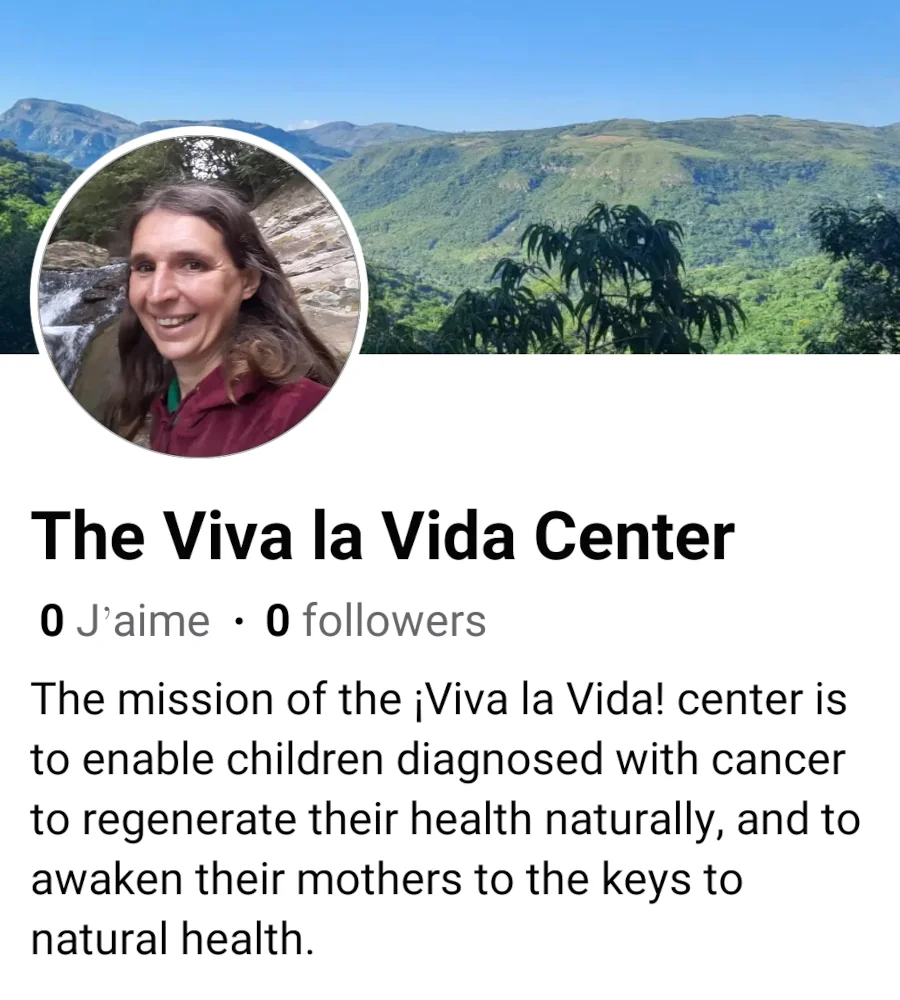
See the Facebook page : The Viva la Vida center

The Facebook group OFFERING MY CHILD WITH CANCER A NATURAL HEALING is a warm and friendly forum for exchange on the theme of Healing pediatric cancer using natural methods. It is open to all parents who have a child with cancer and who are curious to discover the extent to which the keys to natural health can help regenerate their child’s health. The aim is to help each other move forward, beyond the obstacles we face, in order to offer children with cancer natural healing with all the respect and love they deserve.
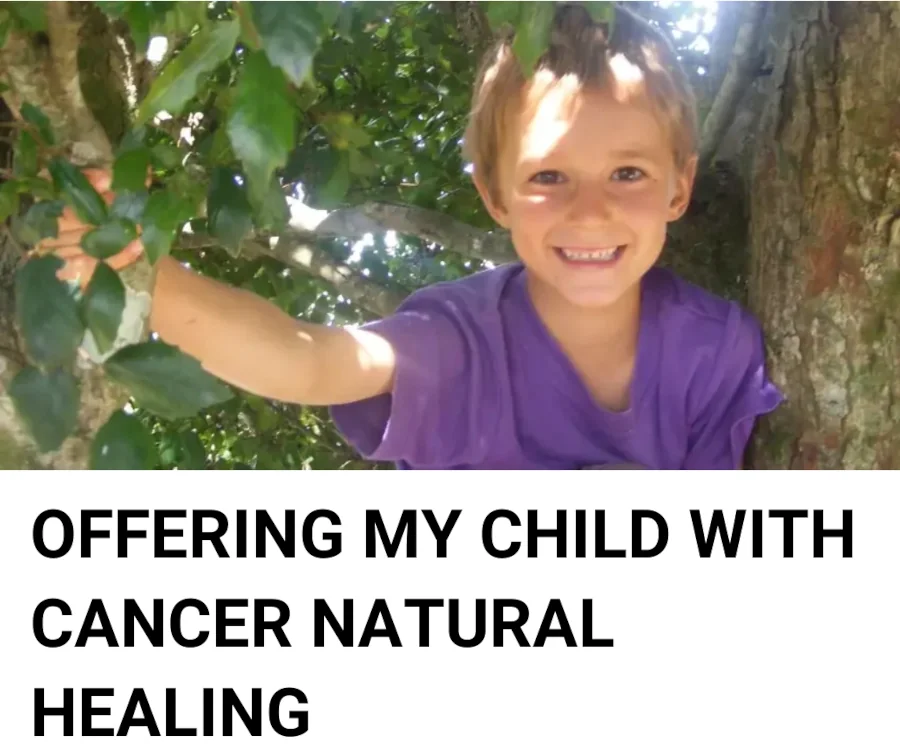
« If your child has cancer, it means that his or her body is no longer able to withstand the level of stress to which it is subjected, as a result of an environment and lifestyle that are carcinogenic by definition.
Thanks to the law of homeostasis, his or her body is able to destroy the cancer cells it has produced itself.
However, this implies making radical changes in his or her life, by choosing to move towards an environment and lifestyle that I call “carcinofugal”, which means conducive to the disappearance of cancer…»