


¡ Viva la Vida ! center
To offer children with cancer natural regeneration of health with all the Respect and Love they deserve.

Natural approaches to cancer by scientists
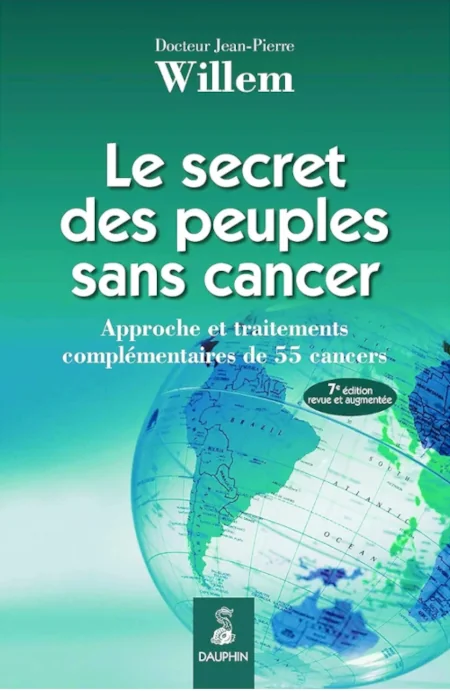
The secret of cancer-free peoples
What we can learn from peoples who live without this modern disease
Cancer is a terrible disease that plagues so-called “modern” societies like a seemingly mysterious scourge. So how is it possible that some peoples on our planet are completely unfamiliar with this disease?
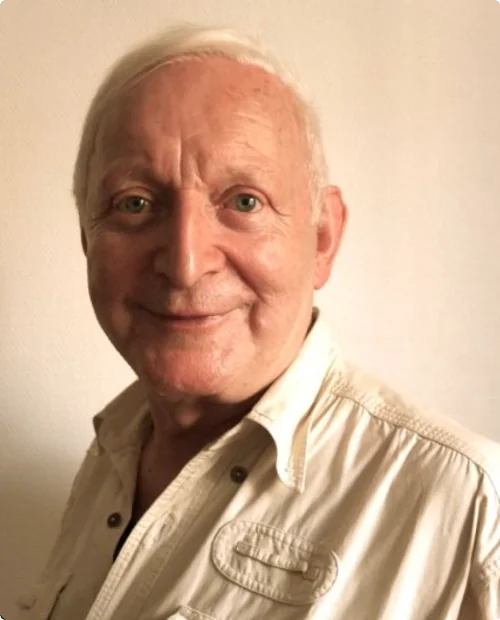
Dr. Jean-Pierre Willem, physician, surgeon, anthropologist, and tireless explorer of natural health, has traveled the world for decades. In his book Le secret des peuples sans cancer (which means The Secret of Cancer-Free Peoples, not translated in English yet), he shares his observations of certain traditional societies where the word “cancer” does not even exist, so absent and unknown is this disease, regardless of the age of individuals, most of whom live to an advanced age while remaining in perfect health throughout their lives.
But what is their secret? And what can we learn from them to support and relieve children with cancer today… and to prevent this silent epidemic that is striking societies described as “civilized”?
1. An adventurous physician in service to humanity
Jean-Pierre Willem is not simply an observer of human health. His exceptional journey makes him a privileged witness to different ways of conceiving medicine throughout the world. Born in 1938 in the Ardennes, he dedicated his life to understanding traditional medicines and observing the exceptional health of certain peoples.
As early as 1959, while still a young medical student, Jean-Pierre Willem left for Algeria during the war of independence. This was the beginning of a journey that would take him to all conflict zones from the 1960s to the 1980s. In 1964, he became one of Dr. Albert Schweitzer’s last assistants in Lambaréné, Gabon. This encounter would profoundly mark his vision of medicine. With Schweitzer, Willem discovered the importance of respecting the sociocultural environment of peoples, the value of local pharmacopoeias, and a humanistic approach to health.
Throughout his humanitarian missions, Jean-Pierre Willem traveled through Rwanda, Vietnam, Cambodia, Laos, Lebanon, Iran, Iraq, and Somalia. Everywhere, he observed, learned, and documented. His perspective as both surgeon and anthropologist allowed him to combine two complementary viewpoints on human health. As he himself wrote: “For forty years, I traveled the globe on humanitarian missions and was able to study certain pathologies through the eyes of both a doctor and an anthropologist, in an attempt to identify sociocultural factors.”
It was during these decades of exploration that Jean-Pierre Willem made a stunning observation: certain traditional populations are virtually unaffected by cancer, or indeed by the cardiovascular diseases that ravage modern societies. This discovery led him to deepen his research to understand what protects these peoples from the scourges that afflict us.
2. A fascinating study of traditional populations
Jean-Pierre Willem’s observations focus on several communities living under very different conditions from each other, but all sharing one remarkable characteristic: the almost total absence of cancer and degenerative diseases, despite living conditions often rudimentary by Western standards. Among the peoples studied, three particularly caught Jean-Pierre Willem’s attention: the Hunzas in Pakistan, the Okinawans in Japan, and the Vilcabambas in Ecuador.
The Hunzas live in an isolated valley in Pakistan, at over 2,400 meters altitude, on the borders of India and Kashmir. This region, nicknamed “the oasis of youth,” is home to a people whose average life expectancy reaches 120 years. Dr. McCarrison, a British physician who studied this population in the early 20th century, compiled an impressive list of diseases from which the Hunzas are exempt: cancer, gastric ulcers, appendicitis, colitis, coronary diseases, gallstones or kidney stones, hypertension, diabetes, and obesity. This absence of pathologies doesn’t just concern adults: it’s observed at all ages of life.
In Okinawa, an archipelago located in southern Japan, centenarians are four times more numerous than in France. Life expectancy there reaches 83.8 years, more than in mainland Japan, which already holds world longevity records. But above all, Okinawans live in good health: they have five times fewer cancers and cardiovascular diseases than Western populations. Dr. Makoto Suzuki, who has studied these centenarians since the 1970s, marveled at their exceptional physical and mental health.
In Ecuador, in the Vilcabamba valley, located between 1,500 and 1,600 meters altitude in the Andes Cordillera, inhabitants also enjoy remarkable longevity. This “sacred valley,” as its name indicates in Quechua, attracted worldwide attention in the 1970s when Dr. Alexander Leaf observed a proportion of centenarians ten times higher than in Western countries.
These three populations, geographically and culturally very distant, nevertheless share striking common characteristics in their lifestyle. Their food is natural, local, not industrially processed, and completely free of chemical products. Food is produced locally, often with only hand tools and traditional techniques passed down through generations.
These peoples live essentially outdoors, in daily contact with the earth, water, and trees. Their existence is organized around constant movement: they walk miles each day over mountainous terrain, work in their fields until very advanced age, and don’t know the sedentary lifestyle that characterizes modern societies.
Social solidarity, community life, and respect for elders also constitute essential pillars of these societies. Elderly people continue to actively participate in village life, transmitting their knowledge and feeling useful. Finally, sobriety, simplicity, and slowness characterize their way of living. The absence of modern stress, frenzied competition, and permanent mental agitation creates an environment conducive to health.
3. The revealed secret: the state of acidosis and harmony with nature
Jean-Pierre Willem’s meticulous analysis reveals a fundamental common point among all these cancer-free peoples: their organism regularly experiences periods of acidosis. This observation constitutes the keystone of their exceptional resistance to cancer and cardiovascular diseases.
Jean-Pierre Willem particularly emphasizes an essential fact: these peoples experience periods of food scarcity. These are not people who eat their fill every day. They experience periods of shortage when their harvests end or are insufficient. This particularity, even if not sought voluntarily and consciously, actually represents a major asset for their health. Indeed, when the organism lacks food, it enters a state of acidosis, a metabolism that prevents degenerative diseases from developing.
During these periods of food restriction, the human body draws on its fat reserves to produce ketone bodies that serve as an alternative fuel to glucose. This particular metabolic state has several beneficial effects demonstrated by modern science. Cancer cells, which feed almost exclusively on glucose, find themselves deprived of their preferred fuel. Conversely, healthy cells can use ketone bodies to function normally. The organism thus naturally performs a sort of targeted cleansing that weakens potentially cancerous cells while preserving healthy tissues.
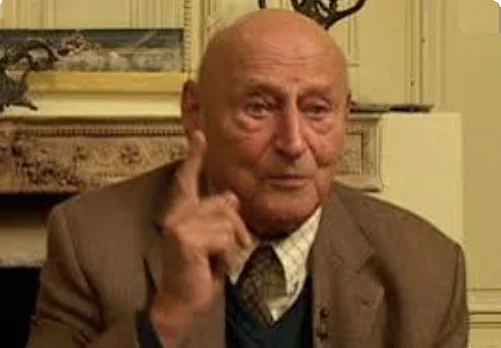
This observation actually aligns with the work of Dr. André Gernez on cancer prevention. This physician demonstrated the value of an annual cure of food restriction to destroy nascent microtumors before they develop. In his book, Jean-Pierre Willem details the convergences between his own observations on cancer-free populations and André Gernez’s discoveries on cancer biology.
The diet of these cancer-free peoples presents remarkable nutritional characteristics. It’s low in calories but extraordinarily rich in essential micronutrients. Daily, they mainly consume fresh fruits, varied vegetables, seeds, wild herbs, and very little meat. Processed products are totally absent from their diet.
What’s remarkable is the total absence of refined sugar, chemical products such as pesticides, additives or preservatives, and excess animal proteins. This apparent frugality actually hides exceptional nutritional richness. Their food is full of natural antioxidants from colorful vegetables, wild medicinal plants, and local spices they use daily.
The Hunzas, for example, consume enormous quantities of apricots, particularly in dried form. These fruits contain not only powerful antioxidants but also, in their pit, amygdalin, a substance with recognized anticancer properties. Okinawans, for their part, consume soy in all its forms daily, rich in phytoestrogens with antioxidant, anticancer, and anti-osteoporosis effects.
The lifestyle of these populations harmonizes perfectly with natural rhythms. They rise and go to bed with the sun, thus respecting their internal biological clock. Their physical activity is daily, gentle, and functional: it’s not sport in the modern sense, but simply an active life where the body is constantly solicited naturally.
The environment in which they live also plays an essential role. They breathe pure air, free from industrial pollution. They drink living water, often from mountain springs rich in essential minerals. Their sleep is deep and restorative, not disturbed by artificial light or screens. Finally, and perhaps especially, these people don’t live in fear, haste, or mental agitation that characterizes modern societies. This psychological serenity probably represents a factor as important as diet in their extraordinary resistance to cancer.
Jean-Pierre Willem also notes that the altitude at which these populations live seems to play a favorable role. Most are located between 1,500 and 2,400 meters, an altitude that would favor certain protective metabolic processes.
4. Cancer seen as a direct consequence of the modern lifestyle
The meticulous observation of these cancer-free peoples leads Jean-Pierre Willem to a conclusion as simple as it is disturbing for modern societies: the appearance or disappearance of cancer depends above all on environment and lifestyle, and not on any genetic fatality.
Jean-Pierre Willem writes explicitly: “The fact that cancer can be favored by lifestyle is now accepted by all scientists. It has become undeniably evident for lung cancer and its predominant factor, tobacco.” Then he goes further by stating: “It is currently estimated that 30% of all cancers are directly linked to the nature of individuals’ diet.” This estimate, which may seem cautious, probably underestimates the real impact of diet and overall lifestyle on cancer development.
The most striking proof of lifestyle’s influence on cancer comes from studying migrant populations. When Okinawans emigrate to Brazil and adopt a Western lifestyle, their life expectancy drops by seventeen years and their number of centenarians is divided by twelve. In Okinawa itself, younger generations progressively adopting American eating habits see their health rapidly deteriorate. These observations unequivocally demonstrate that genetics plays only a minor role compared to lifestyle impact.
This conclusion perfectly aligns with the discoveries of André Gernez, who demonstrated that cancer results from an imbalance in biological terrain. Dr. André Gernez established that a cell only becomes cancerous when it finds itself in an environment favorable to its malignant transformation. By modifying this environment, particularly through regular periods of food restriction, nascent microtumors can be destroyed before they develop.
The work of Louis-Claude Vincent on bioelectronics also provides complementary insight. His research revealed that cancer develops in tissue terrain that is profoundly acidic, over-reduced, and saturated with minerals. Cancer-free populations, through their frugal diet and natural periods of food restriction, spontaneously maintain the balance of their biological terrain, which simply prevents the appearance of cancer cells in their organism.
The modern lifestyle creates exactly the inverse conditions of those observed in cancer-free peoples. Individuals in modern societies tend to consume large quantities of processed foods, rich in refined sugars and chemical products. This diet excessively alkalizes the organism while creating massive oxidative stress. By never experiencing periods of food restriction, the body permanently functions in “storage” mode, which prevents it from switching to “cleansing” mode.
Sedentary lifestyle, constant exposure to pollution, electromagnetic waves, and chronic stress complete the creation of terrain favorable to cancer development. Unresolved emotional traumas, as demonstrated by Dr. Hamer, also constitute powerful triggering factors that these traditional populations, living in supportive and benevolent societies, experience much less than individuals in modern societies.
Cancer is therefore not a mysterious enemy that strikes innocent victims by chance. It’s the logical and predictable consequence of a lifestyle that daily assaults the organism. Cancer-free peoples prove that when one respects the fundamental laws of life, this disease simply doesn’t find the necessary conditions for its development.
5. Concrete lessons for moving toward a carcinofugal lifestyle
Jean-Pierre Willem’s observations offer concrete and applicable paths to transform daily life and adopt what I call a “carcinofugal” lifestyle, meaning favorable to cancer’s disappearance, thus the opposite of the carcinogenic lifestyle widespread in modern societies.
The first lesson concerns diet. It’s fundamental to adopt natural, local, unprocessed, and organic food. This means massively favoring fresh fruits and vegetables, seeds, aromatic herbs, and drastically reducing animal protein consumption. Total elimination of refined sugar, ultra-processed products, and all chemical additives also constitutes an absolute priority. Natural antioxidant richness should become a selection criterion for foods: colorful vegetables, berries, spices, and medicinal herbs should occupy a central place in daily meals.
The second pillar is regular practice of periods of food restriction. Jean-Pierre Willem recommends, like André Gernez, establishing an annual preventive cure in spring, during March and April (in the northern hemisphere, corresponding to September and October in the southern hemisphere). This period naturally corresponds to a phase of renewal where the body can benefit from deep cleansing. Progressive caloric restriction, or even intermittent fasting practiced regularly, allows putting the organism into a state of acidosis and destroying precancerous cells that naturally form in the body.
Respect for natural biological rhythms is essential. Going to bed and rising with the sun, or at least respecting regular hours aligned with circadian cycles, allows the organism to function optimally. Deep and restorative sleep in complete darkness constitutes a privileged moment of cellular regeneration.
Physical activity should become natural and daily. It’s not necessarily about practicing intensive sport, but rather moving constantly throughout the day: walking, gardening, performing manual tasks that solicit the body harmoniously. The Hunzas walk fifteen to twenty kilometers daily over mountainous terrain without considering this sport, but simply as part of their normal lifestyle.
Regular contact with nature is essential for maintaining the body in good health. Breathing pure air, walking barefoot on earth, daily exposure to natural sunlight, drinking quality water, and spending time outdoors allow the organism to regenerate and maintain its balance. Nature offers elements essential to health that urban and artificial environments cannot replace.
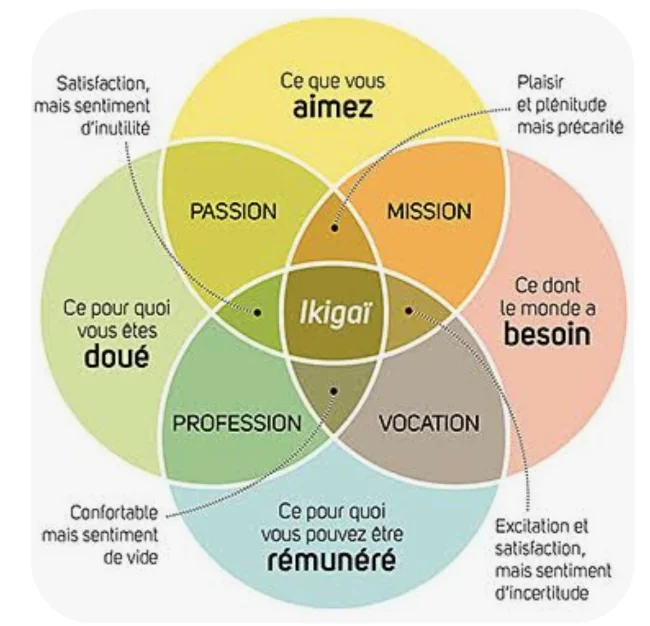
The psychological and emotional dimension also deserves particular attention. Cultivating serenity, reducing chronic stress, maintaining rich and supportive social bonds, finding deep meaning in existence, and preserving joy of living constitute major protective factors. Okinawans speak of “ikigai,” a life philosophy consisting of having a reason for being that naturally provides joy of living. Concretely, ikigai consists of finding alignment in one’s life between passion (what one loves to do), vocation (what the world needs, contribution), profession (what one is paid for), and mission (the talents and skills one puts in service of the world). Aligning one’s life to live according to one’s ikigai allows feeling fulfilled each day and maintains vitality even at very advanced age.
Jean-Pierre Willem also emphasizes the importance of hydration with quality water. He recommends drinking plenty of low-mineral water, like spring water, to favor organism drainage and elimination of degenerated cells. He warns against overly loaded mineral waters and especially against bottled water exposed to sun, which releases harmful phthalates.
For children with cancer, these teachings take on an even more essential dimension. Offering a sick child an environment that I call “cancer-repelling,” meaning favorable to cancer’s disappearance, gives their body every chance of natural regeneration that their organism intrinsically possesses. This healthy lifestyle involves living and nutritious food, periods of digestive rest adapted to their condition, a serene and natural environment, daily contact with nature, as well as the unwavering love and support of loved ones in a reassuring and benevolent setting. To truly enable natural regeneration, it’s absolutely fundamental that the environment where the child evolves be radically healthy and totally devoid of any carcinogenic factor likely to worsen their health condition.
Cancer-free peoples show us that another path exists besides war against disease. This path consists of creating conditions favorable to health rather than aggressively combating disease once it’s established. It’s a fundamental paradigm shift: moving from fighting cancer to creating what I call a “carcinofugal” lifestyle, a term I invented myself, because in the dictionary, the word carcinogenic (favorable to cancer’s appearance) curiously has no opposite.
Conclusion: cancer-free peoples prove this disease is not fate but the consequence of our life choices
Dr. Jean-Pierre Willem’s decades of observation among traditional populations deliver an absolutely clear message: cancer is not a fate written in our genes, but rather the direct consequence of our modern lifestyle that has progressively distanced itself from the fundamental laws of life.
These cancer-free peoples benefit from no miracle treatment, no sophisticated medical technology, no revolutionary medication. They simply live in harmony with nature, respect natural biological rhythms, eat soberly from local unprocessed products, and regularly maintain their organism in a state of acidosis through periods of food restriction.
Jean-Pierre Willem’s remarkable work perfectly converges with the scientific discoveries of André Gernez on cancer prevention through caloric restriction and Louis-Claude Vincent on the importance of biological terrain, as well as all pioneers of natural health who understood that the key doesn’t lie in war against disease, but in creating conditions favorable to health.
For children with cancer, these teachings represent immense hope. They show us that a path of natural regeneration exists, respectful of the body and its self-healing mechanisms. A path that certainly requires determination and profound change in our habits, but offers a real and credible alternative to conventional aggressive approaches.
The secret of cancer-free peoples is ultimately not an esoteric or complicated secret: it’s simply the coherent and daily application of life’s fundamental principles. These populations remind us that the human body is originally made to function perfectly provided we respect it. Indeed, the organism possesses innate wisdom and extraordinary regenerative capacity, provided we offer it the necessary conditions for its flourishing. It’s up to each person, if they want to restore and maintain their organism in full health, to make the choice of a “carcinofugal” lifestyle, for themselves and especially for their children.

“Our body is a divine, marvellous and magical creation that was originally designed to function perfectly and enable us to live in excellent health throughout our lives.
If cancer does occur, let’s have the humility to recognize that our body may have been subjected to a level of stress beyond what it was capable of handling.
By identifying with honesty and clarity the causes of this terrible disease, it becomes possible to act directly at the root of the problem with awareness, intelligence and love. It’s in this spirit that we can choose to take the path of natural healing, the path of moving forward in harmony with the laws of life to return to the state of full health that is each of us’ birthright.”
This article was written by Claire Loiseleur, who is the founder and animator of the ¡Viva la Vida! center, whose mission is to offer children with cancer natural regeneration of health with all the Respect and Love they deserve.
To find out more about the ¡Viva la Vida! center and how it works, I cordially invite you to :
In addition, to go further and understand what the ¡Viva la Vida! center is basing on to fulfill its mission serving children with cancer, I invite you to :
Here is a list of compelling and evidence-based articles about NATURAL APPROACHES TO CANCER BY SCIENTISTS :

Go to the YouTube channel ¡VIVA LA VIDA! Center – english :

See the Facebook page : The Viva la Vida center

The Facebook group OFFERING MY CHILD WITH CANCER A NATURAL HEALING is a warm and friendly forum for exchange on the theme of Healing pediatric cancer using natural methods. It is open to all parents who have a child with cancer and who are curious to discover the extent to which the keys to natural health can help regenerate their child’s health. The aim is to help each other move forward, beyond the obstacles we face, in order to offer children with cancer natural healing with all the respect and love they deserve.
« If your child has cancer, it means that his or her body is no longer able to withstand the level of stress to which it is subjected, as a result of an environment and lifestyle that are carcinogenic by definition.
Thanks to the law of homeostasis, his or her body is able to destroy the cancer cells it has produced itself.
However, this implies making radical changes in his or her life, by choosing to move towards an environment and lifestyle that I call “carcinofugal”, which means conducive to the disappearance of cancer…»