


¡ Viva la Vida ! center
To offer children with cancer natural regeneration of health with all the Respect and Love they deserve.

The Principles of Natural Health
The principles of natural health
Living in harmony with the body’s innate intelligence and the beneficial energy of nature to cultivate lasting vitality
Natural health is based on the understanding that the body is a living, intelligent organism, capable of self-regulation and self-regeneration when the right conditions are provided. This principle, inherited from the observation of life and confirmed by experience and the study of physiology, reminds us that prevention and healing arise from living in harmony with the laws of life. Properly nourishing the cells, eliminating what clogs them, supporting vital energy, avoiding stress, soothing emotions, and living in connection with the natural elements: these are the simple yet highly effective keys to lasting, radiant health.
Understanding the laws of life
Every living organism follows universal laws that allow it to maintain balance despite environmental variations. Understanding these fundamental mechanisms—from biological terrain to homeostasis, including acid–base balance and thermal regulation—allows us to better collaborate with the body’s innate intelligence in order to preserve or restore full health.
The concept of terrain in natural health
The internal environment, mirror of the body’s balance
The term “terrain” refers to all the organic fluids that bathe our cells: blood, lymph, and interstitial fluids. This fundamental concept determines the body’s ability to maintain balance, including in the face of potential challenges, notably from “microbes”. Terrain results from both genetic constitution and lifestyle. It evolves continuously, shaped by our choices. Caring for the terrain means providing cells with a healthy environment—low in pollutants and rich in high-quality nutrients.

Homeostasis: a manifestation of the body’s intelligence
The silent mechanism of self-regulation at the service of life
Homeostasis refers to the remarkable ability of an organism to maintain its internal balance despite environmental fluctuations. It is a constant, dynamic process that ensures proper bodily function by ensuring that vital parameters such as temperature, blood pH, and blood sugar levels remain within optimal ranges. The nervous and endocrine systems coordinate these automatic regulatory processes. Through homeostasis, the body continuously possesses the resources needed to return to balance when the appropriate conditions are provided.
The acid–base balance of the human body
pH: a reflection of cellular health
Acid–base balance is a fundamental aspect of bodily homeostasis. The pH of cellular fluids and blood must be maintained within a narrow range in order to allow the thousands of enzymatic reactions that sustain life. The body relies on sophisticated buffering systems to neutralize excess acids or bases through the lungs, kidneys, and liver. However, a modern acidifying diet and chronic stress can disrupt these regulatory mechanisms. Rest and a living, nourishing diet then become essential to restore this vital balance.

Body temperature: a mirror of vital energy
A valuable indicator of energetic and metabolic state
Body temperature is a vital parameter, precisely regulated around 37°C (98.6°F) through homeothermy. This constant thermal regulation reflects metabolic quality, thyroid function, and the state of vital energy. A low body temperature may indicate metabolic slowdown, a weakened immune system, or adrenal exhaustion. Conversely, a stable and optimal body temperature reflects an organism full of vitality and able to produce the energy it needs. Observing basal temperature upon waking provides a simple yet valuable indicator of the body’s energy level and regenerative capacity.

Harmonizing with the natural elements
The sun, air, water, the rhythms of nature, and the living world form our original environment. Our bodies are designed to live in close connection with these fundamental elements. Reconnecting with them on a daily basis deeply nourishes the body, regulates our internal cycles, and awakens our innate vitality..
Sunlight: a true nutrient
Our solar star, the original source of life and the conductor of our biological rhythms
Sunlight is a true nutrient upon which many biological functions depend. Exposure to the sun allows the skin to synthesize vitamin D, which is essential for immune function, calcium absorption, the regulation of inflammation, and the prevention of numerous diseases. In addition, natural light regulates our internal biological clock and influences our mood, energy levels, sleep quality, and even our appetite. Daily exposure to the sun’s beneficial rays therefore represents a fundamental pillar of full health.

Breathing: an ally in maintaining vitality
The breath of life that oxygenates cells and nourishes the nervous system
Breathing is the only autonomic function over which we can exercise conscious control. Moreover, the lungs are a major organ of elimination. In this way, slow, deep, abdominal breathing effectively oxygenates the tissues, massages the internal organs, stimulates venous and lymphatic return, and activates the parasympathetic nervous system. Conversely, short and shallow breathing keeps the body in a state of alert and reduces cellular oxygenation. Practicing breathing exercises on a daily basis helps regulate the nervous system, reduce stress, and enhance vitality.

Hydration and living water as a support for vitality
Water, the universal vehicle of life, a fundamental pillar of natural regeneration
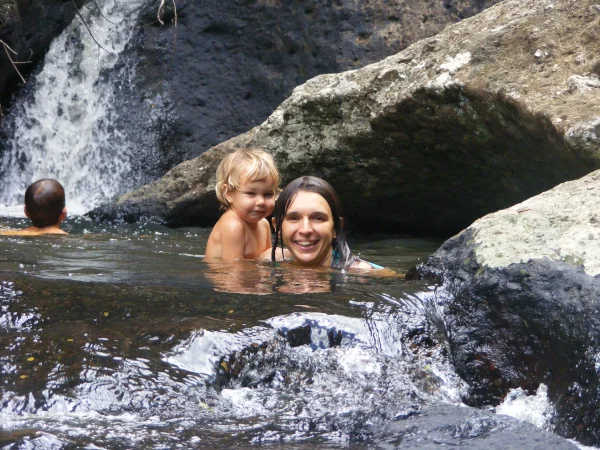
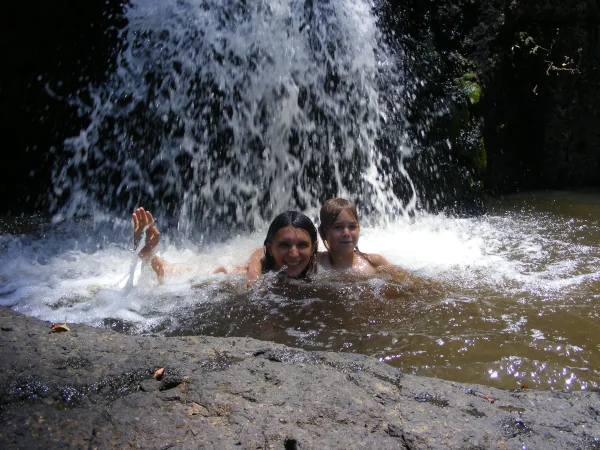
Water constitutes 60–70% of our body weight and participates in all physiological processes: nutrient transport, waste elimination, thermal regulation, and biochemical reactions. The quality of the water we absorb directly influences our biological terrain. “Living” water refers to water that is low in minerals, slightly alkaline, free of chemical pollutants, and ideally dynamized. Drinking regularly optimizes elimination functions and maintains the fluidity of biological fluids. Furthermore, consuming fresh fruits and vegetables, rich in structured water, facilitates cellular hydration.
The importance of respecting biological rhythms
Chronobiology, an art of living in harmony with nature’s cycles
Our organism functions according to precise biological rhythms, orchestrated by internal clocks synchronized with the alternation of day and night. These circadian rhythms regulate body temperature, hormone secretion, metabolism, and cellular repair. The modern lifestyle tends to profoundly disrupt these ancestral rhythms, which can weaken the organism. To move toward regeneration and full health, it is fundamental to respect the body’s natural cycles by synchronizing our periods of rest, activity, and meals with our biological clocks.

The many benefits of a life close to nature
Pachamama, source of authentic well-being and global regeneration
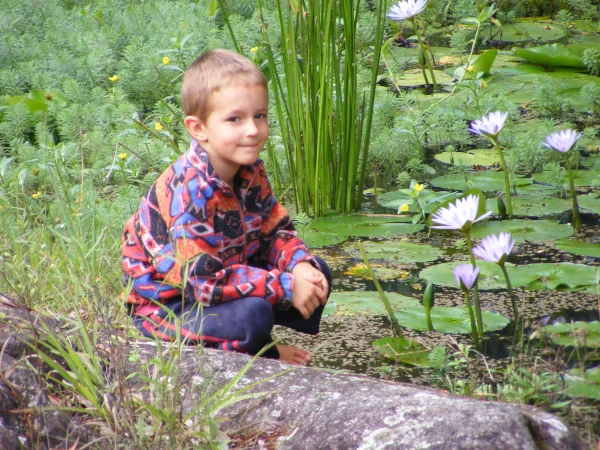
Human beings were designed to live in close contact with nature, which has a balancing effect on physiology, the psyche, and the nervous system. Regular contact with nature produces positive effects on the body: it lowers cortisol, reduces blood pressure, boosts immunity, and decreases anxiety and depression. In our artificialized world, it is crucial to reconnect with nature, as it holds the keys to what I call a “carcinofugal” lifestyle—a lifestyle that promotes the disappearance of cancer.

Cultivating vital energy
The autonomic nervous system regulates our internal balance and orchestrates the interplay between activity and rest. When stress becomes chronic, emotions remain trapped, sleep is disturbed, or the body does not move enough, the organism stays in a state of tension and can no longer regenerate. To stimulate the body’s self-healing capacity, it is essential to calm the mind, activate the parasympathetic system, honor the need for sleep, allow energy to circulate through movement, and release emotions. In this way, the organism can return to balance and regain its vitality.
Sleep: nighttime regeneration of living beings
The phase of deep restoration of body and mind
During sleep, active processes of regeneration, memory consolidation, and cerebral detoxification take place. While we sleep, the body secretes growth hormone, repairs tissues, clears metabolic waste from the brain via the glymphatic system, and strengthens immune defenses. Quality sleep therefore constitutes a fundamental pillar of health. Chronic sleep deprivation increases the risk of obesity, diabetes, and weakened immunity. This is why it is essential, each evening, to create conditions that support truly restorative sleep.

The impact of thoughts and emotions on health
The body’s memory, a reflection of our psycho-emotional state
Research in psychoneuroimmunology has shown that our thoughts and emotions have a direct influence on our physiology. Chronic stress, suppressed anger, or prolonged anxiety trigger the release of stress hormones that weaken immunity, disrupt digestion, and promote tissue acidification. Conversely, positive emotions stimulate the production of endorphins, oxytocin, and serotonin, which strengthen natural defenses and accelerate healing. Unresolved traumas create energetic blockages that call for emotional release practices in order to restore the body’s regenerative capacity.

Activating the vagus nerve to counteract stress
The regulator of the autonomic nervous system that promotes calm and recovery
The vagus nerve is the main pathway of the parasympathetic nervous system, which promotes calm and recovery. It counterbalances the sympathetic system, whose role is to accelerate metabolism in situations of danger. Originating in the brainstem, the vagus nerve innervates the heart, lungs, and digestive system. Its function is to slow the heart rate, stimulate digestion, and bring the body back into a state of calm. A well-toned vagus nerve allows the organism to return to balance more quickly after stress.
Moving to circulate vital energy
Movement, the driving force of bodily fluidity
The human body is designed for movement. Regular physical activity stimulates blood and lymphatic circulation, promoting the delivery of nutrients and the elimination of waste. Movement strengthens the cardiovascular system, maintains muscle mass, preserves bone density, and improves flexibility and balance. It fosters a sense of well-being, enhances cognitive function, and regulates metabolism. Beyond these measurable benefits, movement helps release tension and reconnects the body with its environment.

Nourishing and cleansing the body
What we take into our body, and what we eliminate, determines our vitality. Living foods deeply nourish the cells; the microbiome protects the organism and transforms nutrients; the liver filters and regenerates; the emunctories eliminate what accumulates; and fasting offers the body the rest it needs for a deep internal cleansing. Together, these complementary functions allow the body to function properly and to regenerate. They form the foundation of what we call metabolism.
Living food: a source of vitality
Preserving enzymes and nutrients to optimize cellular life
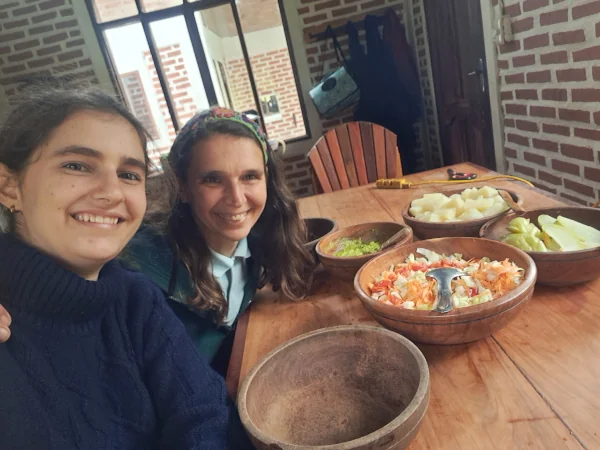
Living food refers to a nutritional approach that prioritizes whole, raw, fresh, and organic foods, ideally consumed shortly after harvest. This food retains its full enzymatic, vitamin, and mineral potential. Sprouted seeds, young shoots, raw fruits and vegetables, and soaked nuts deeply nourish the cells. In this way, living foods provide the body with what it needs to function optimally, supporting easier digestion, increased energy, stronger immunity, and radiant vitality.
The role of the microbiome in immunity
The intestinal ecosystem: an essential ally of the immune system
Our intestines harbor billions of microorganisms that form a complex ecosystem known as the intestinal microbiome. This microbial community participates in fiber digestion, produces vitamins, synthesizes neurotransmitters, and supports nearly 70% of our immune defenses. A balanced microbiome protects against pathogens and communicates with the nervous system through the gut–brain axis. Conversely, an imbalance of the microbiome (dysbiosis) contributes to the development of numerous disorders and diseases. This is why it is crucial to nourish properly and preserve this precious ecosystem.
The central role of the liver in body regeneration
The guardian of the body’s metabolic balance
The liver, the largest internal organ in the body, performs numerous vital metabolic functions. It continuously filters the blood, neutralizes toxins, converts nutrients into energy, metabolizes hormones, stores glycogen and vitamins, and produces bile, which is essential for fat digestion. When it functions properly, it ensures constant detoxification that protects the body. Conversely, when the liver is overloaded by an unsuitable diet or chronic stress, its capacities are reduced, leading to the accumulation of toxins in the tissues.
Toxin elimination: a vital process
Emunctories: pathways for metabolic waste, responsible for purifying the internal terrain
The body naturally produces metabolic waste, to which external toxins are added. To maintain health, it relies on five main emunctories responsible for elimination: the liver, intestines, kidneys, lungs, and skin. When these organs function harmoniously, the body continuously cleanses itself. However, if toxin intake exceeds the body’s elimination capacity, progressive congestion develops, creating a state of “toxemia” that disrupts cellular function. To prevent this, it is essential to support the emunctories.

The benefits of fasting for self-healing
Autophagy, a deep process of cellular cleansing
Fasting is an ancient and powerful practice of natural regeneration. When the body is temporarily deprived of external nutritional input, it triggers a physiological process known as autophagy, during which cells “eat themselves”—that is, they recycle damaged components, faulty proteins, and worn-out organelles to generate energy and build new functional structures. This profound internal cleansing helps eliminate dysfunctional cells, reduce systemic inflammation, strengthen the immune system, and promote tissue regeneration.
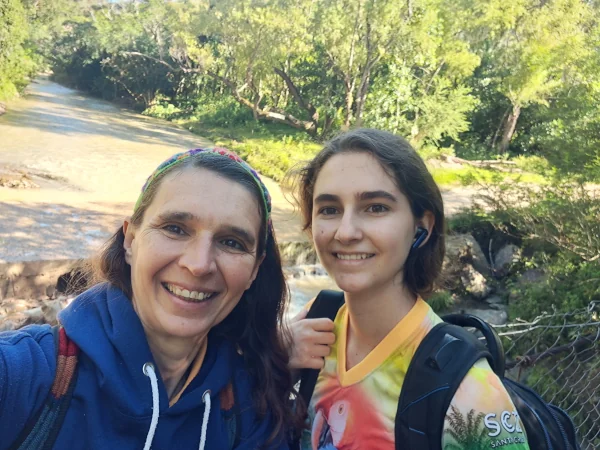

“Our bodies come from nature, which is the source of all life on our magnificent planet. Consequently, it is by living in harmony with nature and its laws that we can advance on the path to full health, which is everyone’s birthright.”
This article was written by Claire Loiseleur, who is the founder and animator of the ¡Viva la Vida! center, whose mission is to offer children with cancer natural regeneration of health with all the Respect and Love they deserve.
To find out more about the ¡Viva la Vida! center and how it works, I cordially invite you to :



In addition, to go further and understand what the ¡Viva la Vida! center is basing on to fulfill its mission serving children with cancer, I invite you to :


Here is the list of articles published on THE PRINCIPLES OF NATURAL HEALTH :

Go to the YouTube channel ¡VIVA LA VIDA! Center – english :


See the Facebook page : The Viva la Vida center

The Facebook group OFFERING MY CHILD WITH CANCER A NATURAL HEALING is a warm and friendly forum for exchange on the theme of Healing pediatric cancer using natural methods. It is open to all parents who have a child with cancer and who are curious to discover the extent to which the keys to natural health can help regenerate their child’s health. The aim is to help each other move forward, beyond the obstacles we face, in order to offer children with cancer natural healing with all the respect and love they deserve.

« If your child has cancer, it means that his or her body is no longer able to withstand the level of stress to which it is subjected, as a result of an environment and lifestyle that are carcinogenic by definition.
Thanks to the law of homeostasis, his or her body is able to destroy the cancer cells it has produced itself.
However, this implies making radical changes in his or her life, by choosing to move towards an environment and lifestyle that I call “carcinofugal”, which means conducive to the disappearance of cancer…»