


¡ Viva la Vida ! center
To offer children with cancer natural regeneration of health with all the Respect and Love they deserve.


Natural approaches to cancer by scientists
André Gernez’s research on cancer biology
The visionary physician who demonstrated that cellular regeneration could prevent and heal cancer
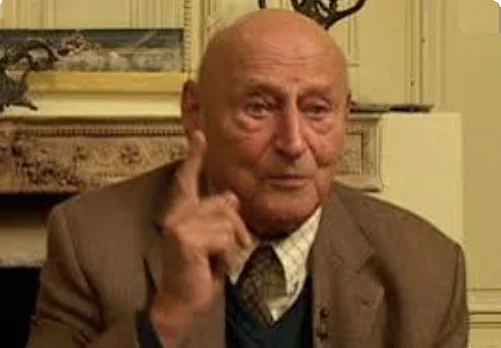
André Gernez was a French physician who revolutionized our understanding of cancer in the 20th century. He dared to do what few of his colleagues had attempted: question the very foundations of what was believed to be known about cell biology and carcinogenesis. His research, conducted over several decades, did not seek to “fight” cancer by violent means. On the contrary, his innovative approach consisted of understanding why cancer formed and how to make it disappear naturally by following the natural laws that govern cellular life.
1. A free and brilliant mind in the face of the dogmas of cellular biology
Born in 1923 in northern France, André Gernez demonstrated remarkable intelligence from childhood. At 15, he obtained his baccalaureate. At 22, in 1945, he became the youngest medical graduate in France. This precocity was not simply a sign of exceptional intellectual ability, but revealed a profound nature: that of a free, curious mind, capable of seeing beyond established conventions.
In 1944, he was accepted as an assistant at the prestigious Curie Foundation, France’s leading institute for cancer research. At that time, medicine was dominated by the Pasteurian idea: cancer was thought to be the result of an aggression, presumably viral, which would eventually overwhelm the body’s immune defenses. Research teams were therefore striving to isolate this famous cancer virus, hoping to develop an anticancer vaccine.
But André Gernez observed something that deeply troubled him. Under the microscope, he noticed that people with cancer did not show any deficiency in their immune system. Better still: cancer cells migrated preferentially through the lymphatic pathway — precisely where immune reaction mechanisms should occur. Yet he observed no defense mechanism, no reaction. It was as if the cancer cells had concluded a “non-aggression pact” with the immune system.
This observation led him to a radical conclusion: Pasteur’s approach did not correspond to the reality of the observed facts. Pasteur’s followers had produced no evidence demonstrating that cancer was a reactive process of the organism to an external aggression. André Gernez realized that everything he was doing at the Curie Foundation made no sense and that it was futile to search for the cancer virus.
He then understood that another strategy had to be adopted, one that seemed appropriate and logical to him: the homeostatic approach corresponding to the maintenance of biological constants defined by Claude Bernard, the founder of experimental medicine. According to Claude Bernard, health depends on the stability of the “internal environment” — that set of internal conditions (blood, lymph, fluids) that must remain constant to ensure the proper functioning of the body. The biological terrain determines susceptibility or resistance to disease.
In 1946, André Gernez left the Curie Foundation. He went to do an internship at Radcliff Hospital in Oxford, where he studied a precancerous condition of the throat, Plummer-Vinson syndrome — a form of hypochromic anemia that predisposes to cancer. He continued this study at Karolinska Sjukhuset in Sweden, then in 1948 in New York.
It was during these years of clinical observation that he made a major discovery: the degenerated cells of Plummer-Vinson syndrome could disappear once the conditions that allowed their appearance were eliminated. This observation contradicted the medical dogma of the time, which held that it was essential to destroy every last cancer cell, otherwise the process would start again.
Upon returning to France, he published a highly acclaimed review of this disease in the medical press in 1949. He then acquired the deep conviction that the problem of cancer had to be rethought on a new biological basis and that certain admitted dogmas considered unassailable had to be replaced by other lines of reasoning more consistent with the phenomena observed.
2. Stem cell theory and the correction of Bichat’s dogma
André Gernez starts from the beginning: at the origin, cancer begins in a single mutant cell that no longer functions like the cells of the cellular clone from which it originated. The problem he poses is to explain why this mutant cell survives and is not eliminated by the organism.
This is where he identified a fundamental error in the classical cell theory established by Bichat in the 19th century. According to Bichat, all cells go through two phases: a generative phase during which they divide into two daughter cells, then a functional phase during which they perform their assigned functions.
Gernez demonstrated that this model was incorrect. By carefully observing cells under a microscope, he noticed something obvious that no one had formalized: generative cells and functional cells are not of the same nature. Under normal conditions, a generative cell — what we now call a stem cell — divides into two daughter cells, but these two cells do not have the same destiny. One replaces the mother generative cell and retains the ability to divide. The other becomes a functional cell, specialized in a specific task (filtering blood for a kidney cell, transporting oxygen for a red blood cell, etc.), but it permanently loses the ability to reproduce. It becomes sterile.
Gernez used a striking analogy: in a beehive, only the queen reproduces, while the workers are sterile but ensure all the functions of the colony. Similarly, in healthy tissue, only stem cells can divide, while functional cells work but never reproduce.
This process allows the cellular population in healthy tissues to remain constant. Every day, functional cells die naturally (apoptosis), and stem cells divide to replace them. It is a perfect balance, regulated with remarkable precision.
But what happens when cancer develops? Gernez identified the precise mechanism: a mutant stem cell, instead of dividing into one generative cell and one functional cell, gives rise to two generative cells. These two cells in turn divide into two generative cells each, giving 4 cells, then 8, then 16, then 32, and so on. It is this exponentially growing proliferation that characterizes cancer.
This major discovery explains why cancer develops so rapidly once it has crossed a certain threshold. At the stage of the very first cell division, this abnormal phenomenon is not detectable. One cannot yet speak of clinically identifiable cancer. But the process is already underway.
By publishing these conclusions in 1949, at the age of just 26, Gernez proposed what he called “the unified theory of cancer.” But most physicians, accustomed to reasoning according to old dogmas, refused to understand this new theory. It radically overturned what was believed to be known about cell division.
3. Cancer as compensatory hyperplasia — a biological response to imbalance
Gernez’s great intuition did not stop at understanding the mechanism of cell proliferation. He went further by asking a fundamental question: why does this mutant cell survive? Why doesn’t the organism eliminate it immediately?
His answer revolutionized our understanding of cancer. According to him, cancer corresponds to “compensatory hyperplasia.” This technical term means that cancer is not an anarchic phenomenon, a disordered proliferation occurring by chance. On the contrary, it is a biological response to a profound imbalance in the body.
André Gernez explains that a group of healthy cells that find themselves in insufficiency — unable to fulfill their functional obligations — resort to abnormal mutated cells whose normal destiny is to be recessive and disappear. But under particular, exceptional conditions, these mutant cells can become dominant.
He uses a striking military metaphor: a cellular population that has become unable to fulfill its functional obligations mobilizes defective cellular individuals, “the mutants” (unviable under normal conditions), in the same way that a decimated army or one confronted with a numerically superior enemy incorporates less valid soldiers, reservists, wounded — anyone to hold the line.
This vision radically changes our understanding of cancer. It is no longer an external enemy invading the body, but a desperate attempt by the body itself to compensate for a deficiency. Cancer is not the initial problem. It is the visible manifestation of a deeper malaise, an imbalance in the biological terrain.
This perspective is perfectly in line with the work of Otto Warburg, winner of the Nobel Prize in Medicine in 1931, who showed that cancer cells have a particular metabolism: they are heavily dependent on glucose and prefer anaerobic glycolysis — a primitive, inefficient mode of energy production that produces a lot of lactic acid — even in the presence of oxygen. Warburg had concluded that cancer was linked to a metabolic dysfunction of cells.
Gernez goes further by explaining why this dysfunction occurs and, above all, how the organism can correct it. He made a crucial observation: a mutant cell is not resistant. On the contrary, it is fragile, unstable, and vulnerable to the slightest change in its environment. An acidic environment easily destroys it.
This is where the genius of his understanding comes into play. If cancer cells are fragile and dependent on glucose, then all that is needed is to create the metabolic conditions that deprive them of their fuel and make their environment hostile. How? Through sequential fasting and strategic calorie restriction.
Fasting dramatically reduces the availability of blood glucose and forces the body to switch to an alternative metabolism: ketosis. In this state, the liver produces ketone bodies from fat reserves. The body’s healthy cells can function on these ketone bodies. But cancer cells, rigid and dependent on glucose, do not possess this metabolic flexibility. Without their fuel, they are literally suffocated metabolically.
Furthermore, fasting creates a controlled acidosis of the bloodstream — exactly what destroys fragile mutant cells. This acidosis is not toxic to healthy cells. On the contrary, it is beneficial because it activates the natural mechanisms of cell repair and regeneration — what is now called autophagy, a process for which Japanese researcher Yoshinori Ohsumi received the Nobel Prize in 2016.
Gernez then developed an active prevention protocol based on short annual or biannual fasts, supplemented with a diet rich in antioxidant vitamins and minerals from fruits and vegetables. His goal: to reduce the proliferation of cancer stem cells before they reach an irreversible threshold, while maintaining the biological terrain in a state unfavorable to cancer development.
This approach does not seek to “wage war” on cancer, but to restore the natural conditions of cellular health. It is not a medicine of destruction, but a medicine of regeneration.
4. Cancer as a preventable process — scientific validation and convergence with other discoveries
The logical conclusion of Gernez’s thinking is radical: cancer is not a fatality. It does not happen by genetic misfortune or biological lottery. It is the predictable — and therefore preventable — result of an accumulation of carcinogenic factors, that is, all those elements that gradually disrupt the natural cycle of cellular regeneration: pollution, chronic stress, denatured food, sedentary lifestyle, lack of sleep, exposure to chemical toxins, unresolved emotional trauma.
In 1971, an INSERM study confirmed Gernez’s theory and concluded that cancer could be prevented in approximately 93% of cases through active prevention based on controlling the biological mechanisms he had brought to light. This scientific validation should have revolutionized the approach to cancer. It should have led to the implementation of large-scale prevention protocols.
But this validation paradoxically created a problem. According to calculations by the French Ministry of Health, the generalized application of Gernez’s protocol would have extended the average life expectancy of the French by about seven years. This massive prolongation of life would have created considerable constraints in terms of care facilities for the elderly, pension funding, and reorganization of the healthcare system. Economic, political, and structural reasons slowed the dissemination of these discoveries.
In 1979, André Gernez received the Hans Adalbert Schweigart Medal from the World Union for the Protection of Life, presented by Linus Pauling, twice winner of the Nobel Prize. This international recognition validated the rigor of his work. But at this stage, an insurmountable barrier had already formed around his discoveries, including abroad. Despite perfectly conclusive results, Gernez was no longer able to make himself heard.
However, his ideas found spectacular confirmation in other researchers working in parallel. Jean-Pierre Willem, physician and anthropologist, studied cancer-free peoples — those traditional populations who lived close to nature and were unfamiliar with cancer as a disease. In his book Le secret des peuples dans cancer (in french, which means: “The Secret of Cancer-Free Peoples),” Willem noted that in these societies, the absence of cancer was not due to some mysterious genetic immunity, but simply to a lifestyle that was systematically “carcinofugal” — that is, favorable to the disappearance of cancer, the exact opposite of “carcinogenic” (a word which, curiously, has no opposite in the dictionary). So, according to this definition, “carcinofugal” means conducive to the disappearance of cancer: unprocessed food, respected natural rhythms, absence of chronic stress, absence of massive chemical pollution, deep connection with nature, regular fasts integrated into traditions.
These peoples lived, without explicitly knowing it, according to exactly the principles that Gernez had scientifically identified. This convergence between Gernez’s rigorous thinking and Willem’s anthropological observation creates a certainty: there is nothing fatal about cancer. It is a disease of civilization, in the literal sense — a disease that emerges when a civilization strays from the natural laws that govern cellular life.
Similarly, the work of Louis-Claude Vincent on bioelectronics confirms this vision. Vincent showed that cancer develops in a specific biological terrain, characterized by certain electrochemical constants (pH, redox potential, resistivity). By modifying this terrain through diet, hydration, and lifestyle, one can create an environment favorable to the regression or even disappearance of cancer. The discoveries of Vincent and Gernez are perfectly consistent: the terrain determines whether the body’s internal environment can allow cancer to develop or whether, on the contrary, cancer has no chance of thriving there.
Toward the end of his life, André Gernez repeatedly stated that if his discoveries had been taken seriously from the 1980s onward, the current rise of the cancer “epidemic” could have been largely avoided. He described this situation as the “scandal of the century,” emphasizing that his proposals could have radically changed the global medical and health landscape, but were ignored or rejected for reasons other than purely scientific ones.
5. Practical application to prevent and naturally support cancer healing
Gernez’s principles have not remained confined to the pages of scientific journals or academic discourse. They offer practical and concrete tools that anyone can implement.
For active prevention in healthy people, Gernez’s teachings translate simply: establish and maintain a “carcinofugal” lifestyle. This means regularly cultivating periods of sequential fasting or calorie restriction appropriate to age and physical condition, maintaining a diet based on living, unprocessed foods, ensuring regular and restorative sleep, practicing deep breathing and moderate physical activity, minimizing exposure to environmental toxins, and creating spaces of emotional calm in a modern life that is necessarily stressful.
For people already diagnosed with cancer, Gernez’s principles offer a transformative support framework. Instead of subjecting the body to chemically violent treatments that create major physiological stress and damage natural regeneration mechanisms, a gentle but powerful protocol can be implemented: progressive correction of metabolism through adapted sequential fasting, ultra-high-quality nutrition to restore the biological terrain, deep rest to allow autophagy and repair mechanisms to operate, and systematic elimination of carcinogenic factors from the environment.
Modern scientific advances fully validate this approach. Recent discoveries on autophagy confirm exactly what Gernez had intuited: fasting activates an extraordinarily powerful “cellular cleansing” process, allowing the body to eliminate dysfunctional cells and regenerate healthy tissue. Similarly, contemporary studies on cancer metabolism and the role of glucose confirm the observations of Warburg and Gernez. Work on regenerative medicine and cellular resilience simply formalizes in modern language what Gernez understood intuitively: the body possesses an extraordinary capacity for healing if we respect its natural laws.
What makes Gernez’s teachings particularly relevant today is their universality. The laws of cellular regeneration do not change with time or geography. A child in Bolivia, France, or Africa has exactly the same biological equipment, the same healing potential, and the same regeneration needs.
It is precisely on these universal principles that the work of the ¡Viva la Vida! center in Bolivia is based. This center offers children with cancer an environment where natural laws — those that Gernez scientifically elucidated — can operate without hindrance. Instead of plunging the child into a war mentality against their own body, instead of administering treatments that further unbalance their organism, the center creates conditions favorable to regeneration: living food, deep rest, contact with nature, caring emotional support, adapted therapeutic fasting, and elimination of carcinogenic factors.
This approach recognizes that cancer is not an enemy to be fought, but an alarm signal indicating that the biological terrain needs to be rebalanced. The real enemies are the carcinogenic factors that have disrupted this terrain: stress, pollution, denatured food, emotional trauma. By offering the child and their mother the knowledge and tools to eliminate these factors and restore a “carcinofugal” lifestyle, the center gives them back control over their health.
This vision, far from being naive or simplistic, is based on decades of rigorous scientific research, on the clinical observations of researchers such as Gernez, Warburg, Vincent, and Willem, and on contemporary validations by modern science concerning autophagy, cellular metabolism, and regenerative medicine.
Conclusion: a concrete alternative to the concept of war on cancer
André Gernez has left us with much more than a collection of biological data or yet another scientific theory. He opened a revolutionary path: that of active prevention and natural treatment of cancer, based not on violent “combat” but on deep respect for the laws of life.
By identifying stem cells as the origins of cancer, by correcting Bichat’s erroneous dogma on cell division, by showing that cancer results from compensatory hyperplasia rather than cellular anarchy, he transformed our very understanding of this disease. It is not an enemy fallen from the sky. It is a logical consequence of an imbalance in the biological terrain, and therefore systematically preventable and reversible.
His crucial observation — that cancer cells are fragile and vulnerable to an acidic environment — opens the door to the protocol of sequential fasting and respectful cellular regeneration. Its validation by INSERM in 1971 and its international recognition in 1979 attest to the rigor of his work. Its convergence with Warburg’s discoveries on metabolism, Vincent’s on bioelectronics, and Willem’s on cancer-free peoples demonstrates the universality of his principles.
Gernez showed us that what seems miraculous — the natural healing of cancer — is in reality profoundly logical, profoundly natural. He taught us that the body possesses within itself an innate wisdom of regeneration, provided that it is given the appropriate conditions. And it is this logic, this very naturalness, that constitutes our strongest hope

“Our body is a divine, marvellous and magical creation that was originally designed to function perfectly and enable us to live in excellent health throughout our lives.
If cancer does occur, let’s have the humility to recognize that our body may have been subjected to a level of stress beyond what it was capable of handling.
By identifying with honesty and clarity the causes of this terrible disease, it becomes possible to act directly at the root of the problem with awareness, intelligence and love. It’s in this spirit that we can choose to take the path of natural healing, the path of moving forward in harmony with the laws of life to return to the state of full health that is each of us’ birthright.”
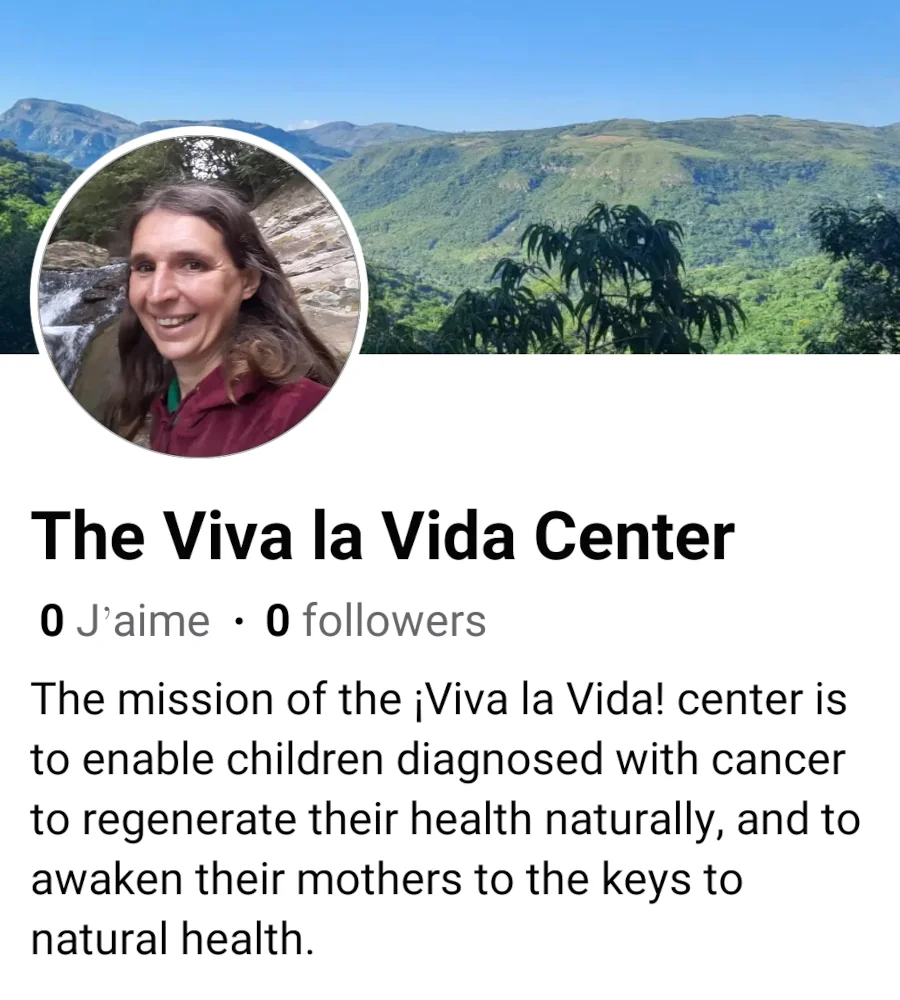
This article was written by Claire Loiseleur, who is the founder and animator of the ¡Viva la Vida! center, whose mission is to offer children with cancer natural regeneration of health with all the Respect and Love they deserve.
To find out more about the ¡Viva la Vida! center and how it works, I cordially invite you to :

In addition, to go further and understand what the ¡Viva la Vida! center is basing on to fulfill its mission serving children with cancer, I invite you to :

Here is a list of compelling and evidence-based articles about NATURAL APPROACHES TO CANCER BY SCIENTISTS :

Go to the YouTube channel ¡VIVA LA VIDA! Center – english :


See the Facebook page : The Viva la Vida center

The Facebook group OFFERING MY CHILD WITH CANCER A NATURAL HEALING is a warm and friendly forum for exchange on the theme of Healing pediatric cancer using natural methods. It is open to all parents who have a child with cancer and who are curious to discover the extent to which the keys to natural health can help regenerate their child’s health. The aim is to help each other move forward, beyond the obstacles we face, in order to offer children with cancer natural healing with all the respect and love they deserve.
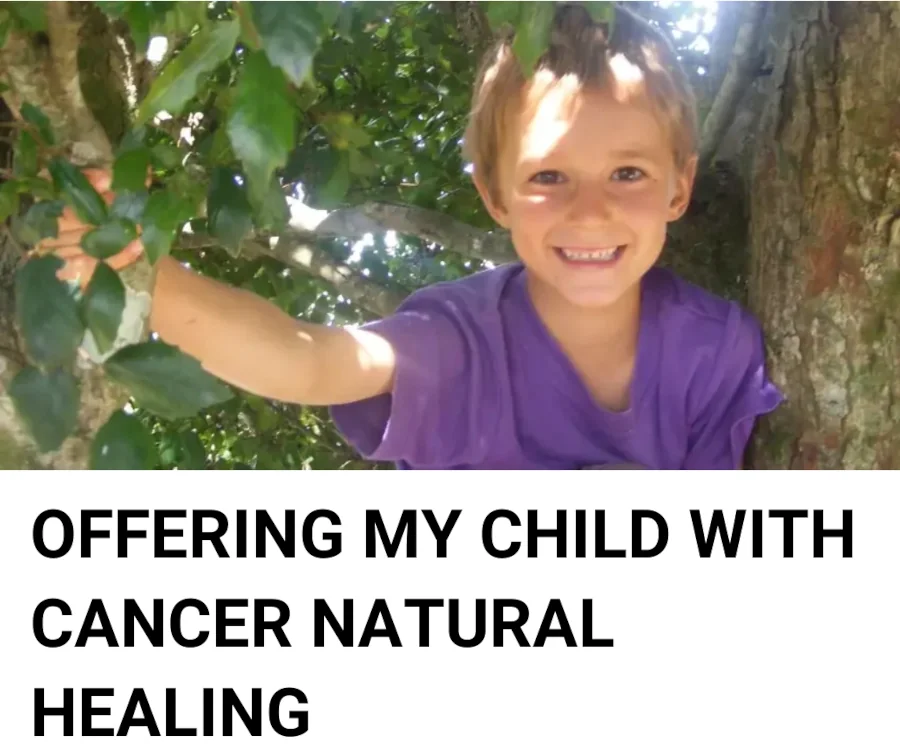
« If your child has cancer, it means that his or her body is no longer able to withstand the level of stress to which it is subjected, as a result of an environment and lifestyle that are carcinogenic by definition.
Thanks to the law of homeostasis, his or her body is able to destroy the cancer cells it has produced itself.
However, this implies making radical changes in his or her life, by choosing to move towards an environment and lifestyle that I call “carcinofugal”, which means conducive to the disappearance of cancer…»